
Last updated October 15, 2026
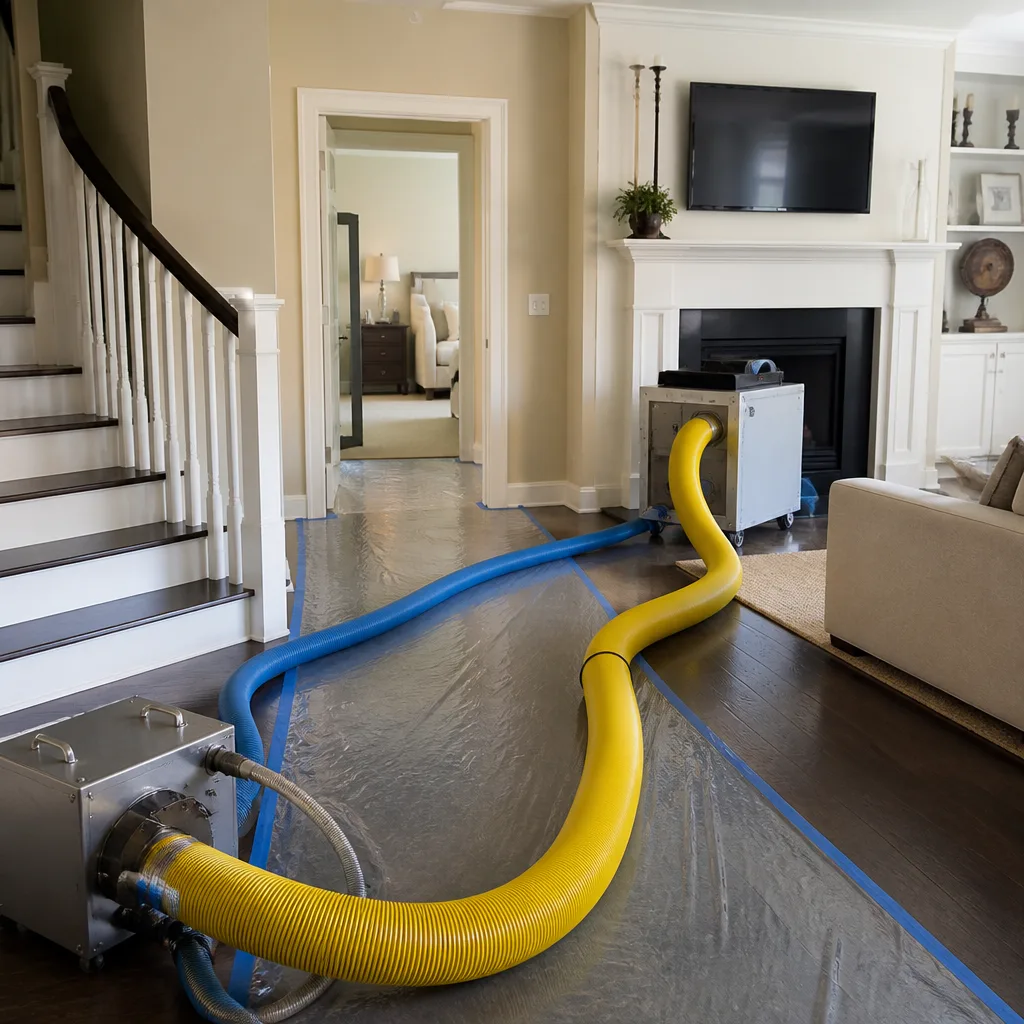 Whole-home duct cleaning
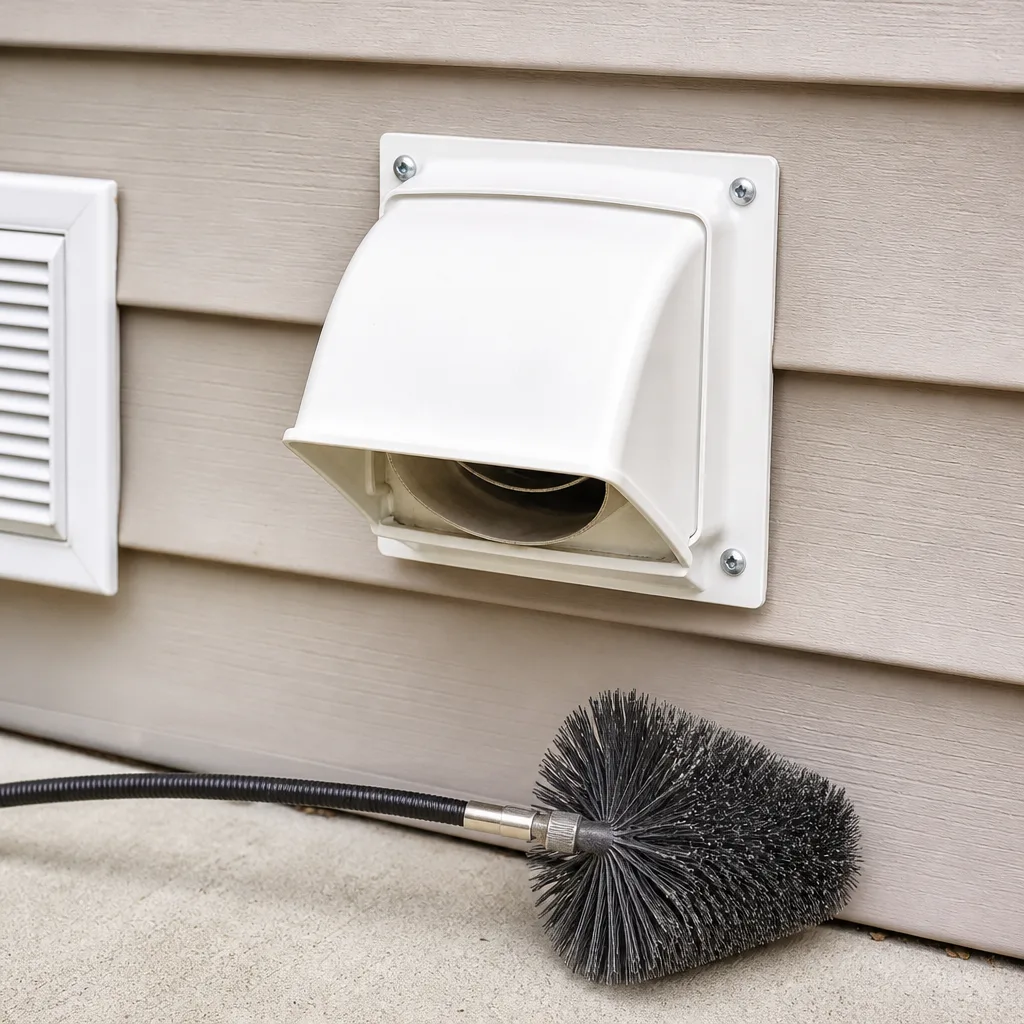 Dryer vent cleaning
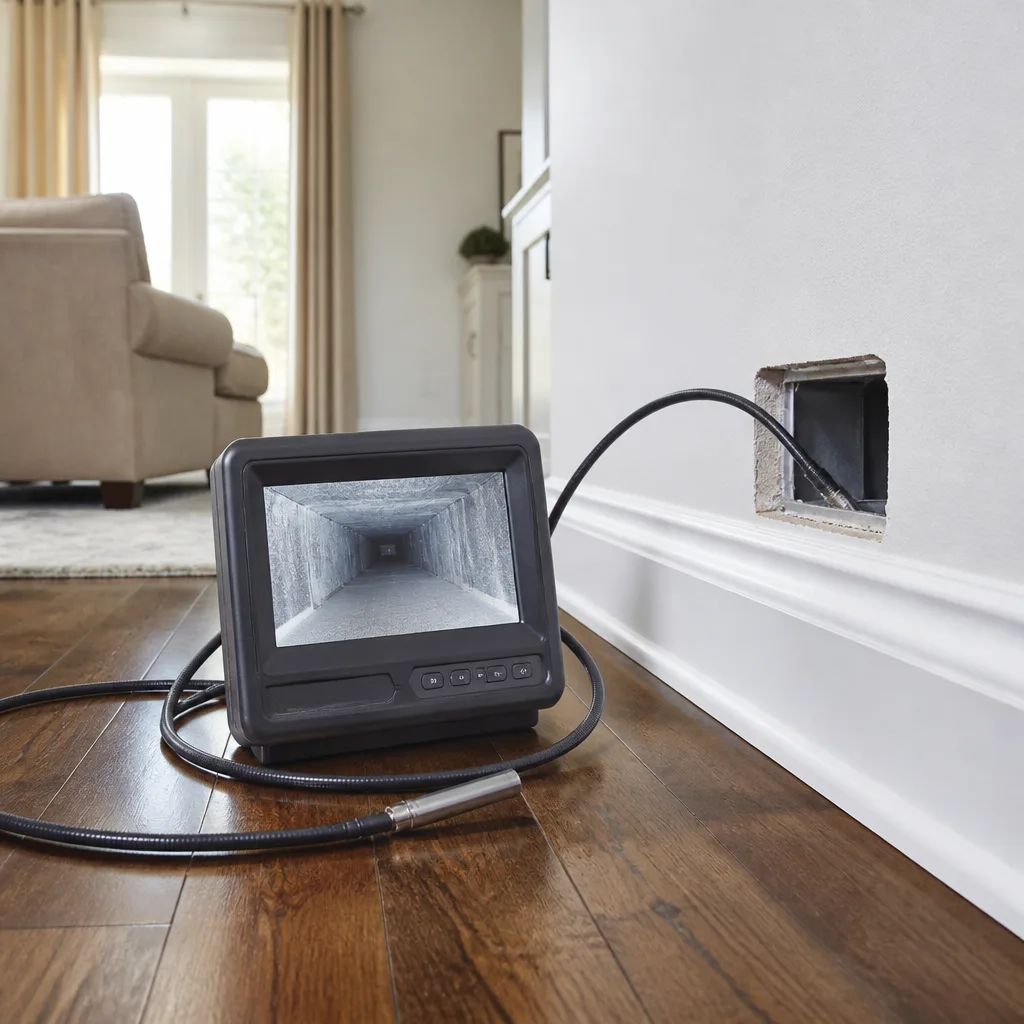 Camera inspection
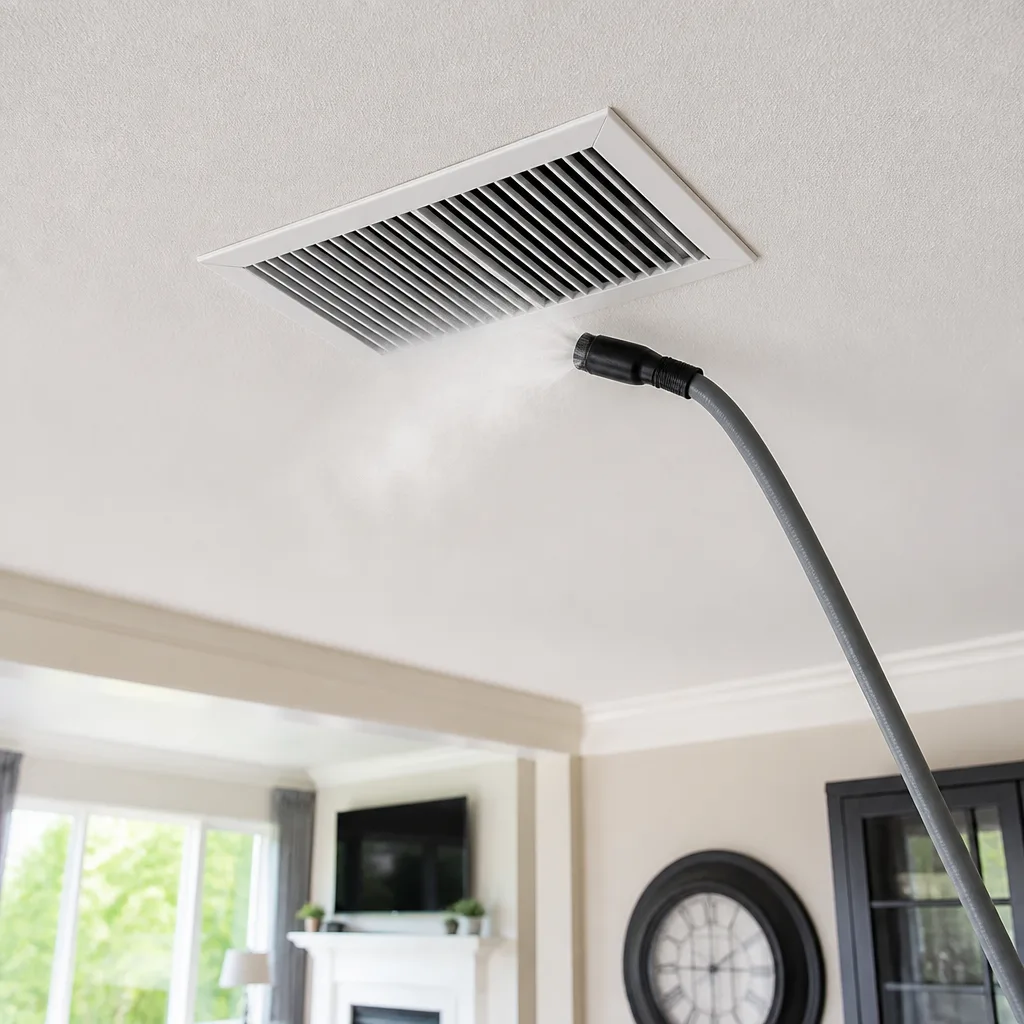 Sanitizing & deodorizing
Whole-system duct and dryer vent check with before-and-after photos - you see exactly what came out of your vents
That "$99 whole-house special" is a bait ad - the real number appears once they are in your hallway, or the "clean" is a shop-vac at the register. We photograph the inside of your ducts before and after instead.
Air Duct Cleaning Permits, Codes & Inspections in CA: What You Need to Know
Your air duct cleaning company doesn’t need a permit to clean your ducts, but if they repair a section of duct while they’re in there without pulling one, that’s your liability, not theirs. Most Pasadena homeowners assume any HVAC work done inside their own walls is automatically covered by the contractor’s license. It isn’t. The line between cleaning, which requires no permit, and repair or modification, which often does, is where a $300 cleaning becomes a $3,000 code violation plus the cost of ripping out drywall to fix it. This guide explains exactly where that line sits under the California Mechanical Code, how Pasadena’s local amendments change the rules, and what you should ask before any crew touches your ducts. For more detail, see our Complete Guide to Air Duct Cleaning in Pasadena.
Styles & brands we work with
Quick Answer
Air duct cleaning itself does not require a permit anywhere in California, because it doesn’t alter the duct system. However, duct repair, duct sealing done as a code compliance measure, insulation work, or any modification to the system often requires a permit from the City of Pasadena’s Building & Safety Division under the California Mechanical Code and Pasadena’s local amendments to Title 24. A contractor’s CSLB license is separate from a municipal permit, and having the first never exempts work from needing the second.
Table of Contents
- Cleaning vs. Repair: Where the Permit Line Actually Sits
- CSLB License vs. Municipal Permit: Two Different Things
- How Pasadena’s Local Amendments to Title 24 Change the Rules
- When Duct Sealing Triggers a Permit in Pasadena
- What an Unpermitted Duct Repair Means for Insurance and Resale
- The Questions to Ask Any Duct Contractor Before Work Starts
- What a Pasadena Duct Inspection Actually Involves
- Common Mistakes to Avoid
- When to Call a Professional
- Frequently Asked Questions
- The Bottom Line
Cleaning vs. Repair: Where the Permit Line Actually Sits
Cleaning a duct means removing accumulated dust, debris, and contaminants from the inside of an existing, intact system. The ductwork stays exactly where it was, made of the same materials, sized the same way. No permit is required for this anywhere in California, including Pasadena. It’s classified as maintenance, not construction.
The moment a technician does any of the following, the work crosses into repair or modification territory under Section 103.1 of the California Mechanical Code:
- Replacing a damaged section of flex duct with new material
- Cutting into the duct to install an access panel that wasn’t there before
- Reconnecting a duct that has separated at a joint
- Installing new hangers or supports where ducts have sagged
- Applying duct sealing mastic to close leaks as part of a system repair, not routine maintenance
- Rerouting any portion of the duct run
Think of it this way: if the tech’s hands never change what the system is, only what’s inside it, you’re looking at cleaning. If the tech replaces, relocates, reconnects, or reseals to restore function, the City of Pasadena considers that alteration, and alteration requires a permit if it meets the threshold for value or scope. In our experience providing Air Duct Cleaning services across Pasadena, Altadena, and South Pasadena, the most common trigger is a separated duct joint discovered during cleaning. The tech reconnects it with sheet metal screws and tape, thinking they did the homeowner a favor. What they actually did was perform unpermitted repair work on the homeowner’s liability.
CSLB License vs. Municipal Permit: Two Different Things
The Contractors State License Board (CSLB) issues licenses that say a contractor has met California’s baseline requirements to operate: they passed the trade exam, they carry minimal insurance, they have a bond. A CSLB license is a permit to do business in the state. It is not permission to alter a specific building.
A municipal permit, issued by the City of Pasadena’s Building & Safety Division, approves specific work at a specific address. It triggers a plan review where required, sets inspection checkpoints, and creates a public record that the work was done to code. The permit follows the property, not the contractor.
Here’s the distinction that matters for homeowners:
- A contractor can hold a valid CSLB license and still perform work that violates permit requirements in Pasadena.
- That same contractor can pull a permit in one city but skip it in another, either through ignorance or because they’re trying to keep the job cheap.
- When work is unpermitted, the city’s enforcement is against the property and the homeowner, not just the contractor.
The CSLB exists to protect consumers from dishonest business practices. The permit process exists to protect building occupants from unsafe work. Both matter, but they do not replace each other. A duct cleaning company that tells you “we’re licensed, that’s all you need” is blurring a line that the City of Pasadena enforces separately.
How Pasadena’s Local Amendments to Title 24 Change the Rules
California’s Title 24, known as the California Building Standards Code, sets the statewide baseline. Cities can amend it, and Pasadena does. Local amendments to the California Mechanical Code, plus energy efficiency rules under Title 24 Part 6, create obligations that exist in Pasadena but not in every neighboring city.
What this means practically for duct work:
- Duct insulation minimums: When duct repair or replacement happens in an attic or crawlspace in Pasadena, the new section must meet local R-value insulation requirements. This applies even if the original duct was uninsulated.
- Sealing verification: Pasadena may require that any newly sealed ductwork pass a duct leakage test (a HERS test or similar) before the permit is signed off. A cleaning company that reseals a separated joint with hand-applied foil tape is probably not producing work that will pass.
- Access requirements: Certain Pasadena inspections require an access panel where none exists, which means cutting into the duct or adjacent drywall, which itself requires a permit.
- Maintenance sealing: Applying mastic or approved tape to a small, visible gap at a supply register or return box during a cleaning to stop a minor leak. If it’s incidental to cleaning and doesn’t change the system, this generally does not require a permit in Pasadena.
- Repair or retrofit sealing: Sealing multiple leaks, sealing visible joints in an attic run, applying mastic to the full duct network, or sealing after a repair. This is alteration. Under Pasadena’s local amendments, this work requires a permit when it rises to the level of repair or when it’s part of an energy retrofith that triggers verification requirements.
- “If you find damaged ductwork during the cleaning, what exactly do you do?” The right answer: stop, show the homeowner, quote it as a separate repair, and pull a permit if required. The wrong answer: “we’ll just fix it while we’re in there.”
- “Does any of the work you’re recommending require a permit from the City of Pasadena?” Watch for a pause, a hand-wave, or a quick subject change. A contractor who works in Pasadena regularly should answer this without hesitating.
- “Will you put the permit number on the written quote?” If a permit is needed, it should appear as a line item with a cost, a number, and a scope description.
- “Who schedules the inspection, you or me?” The contractor should be the one scheduling, because the contractor knows the inspection points.
- “Is this cleaning only, or does it include sealing or repair?” Insist on the distinction appearing in writing on the quote. If they won’t separate it, find another contractor.
- Rough inspection: Before walls or insulation cover the work, the inspector looks at the duct material, the connection method, the hanger spacing, and the sealing approach. If the duct is hidden, the inspector may require it to be exposed.
- Sealing verification: Depending on the scope, the inspector may require a duct leakage test. That means pressurizing the system and measuring how much air escapes. Pasadena’s energy code requirements set the pass or fail threshold.
- Insulation check: Attic duct runs must have the required R-value insulation, and the inspector will fail a job that left gaps or used the wrong material.
- Final sign-off: The inspector confirms the system is complete, the work matches the permit scope, and the site is left in code-compliant condition.
- Assuming a license covers permits. A CSLB license is a business credential. A Pasadena permit is a project approval. They are not connected in the way most homeowners assume.
- Letting a tech fix a separated duct “as a courtesy.” This is the single most common way unpermitted duct repairs happen in Pasadena. The tech means well. The homeowner now owns the liability.
- Believing duct sealing is always just maintenance. In Pasadena, sealing done to restore function or as part of an energy retrofit often requires a permit and verification. Ask before the mastic comes out.
- Hiring based on the lowest bid. A low bid often reflects the cost of skipped paperwork. The permit isn’t optional, and the enforcement lands on the homeowner, not the contractor.
- Failing to ask for the permit number. If a permit is required and the contractor can’t produce a number on the written quote, the work hasn’t been permitted.
- Assuming the city will never find out. Pasadena’s Building & Safety Division can flag unpermitted work during any subsequent permit application on the property. Kitchen remodels, HVAC replacements, even Dryer Vent Cleaning in Pasadena can surface old unpermitted duct work.
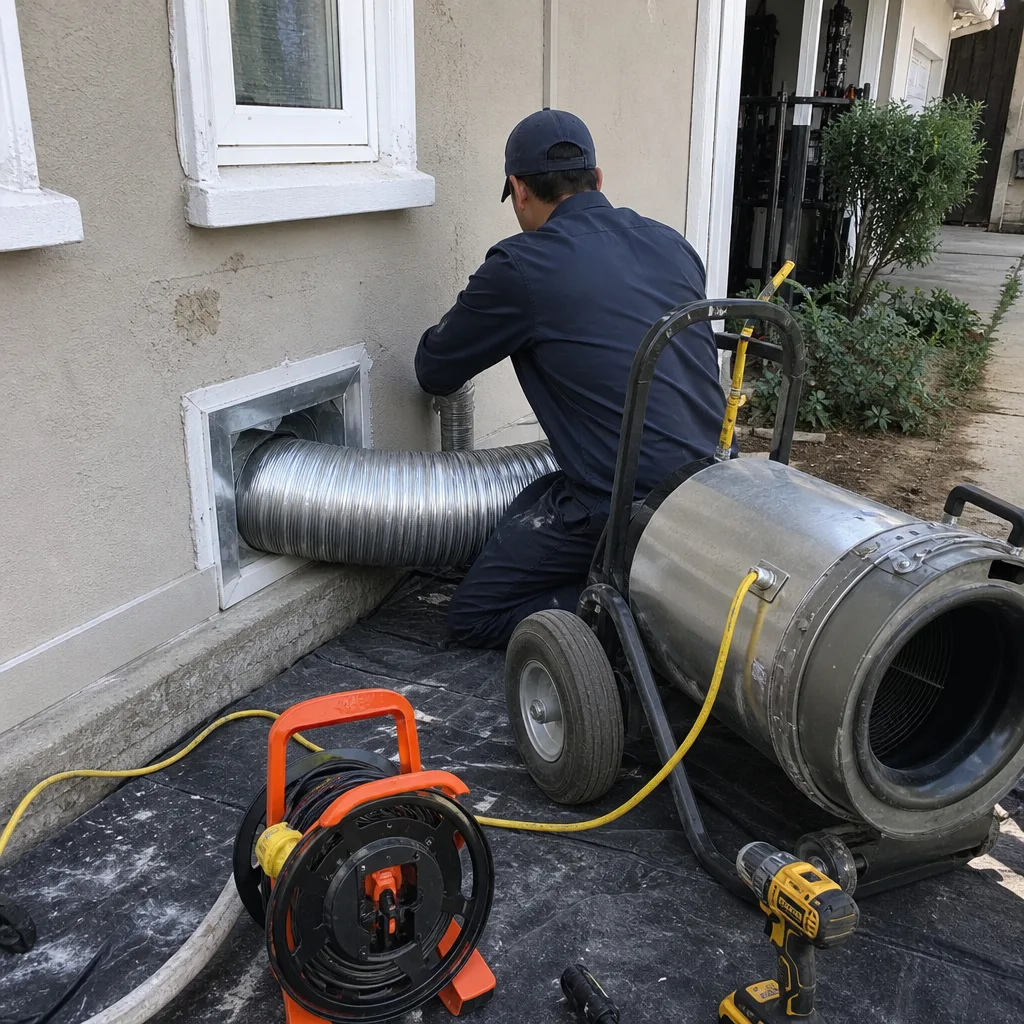
We mention this because homeowners hear “duct sealing” and think it sounds like more cleaning. It isn’t. Duct Sealing in Pasadena sits in a different regulatory category than cleaning entirely, and any contractor who treats it as routine maintenance is not doing the homeowner any favors, whether they realize it or not.
When Duct Sealing Triggers a Permit in Pasadena
Duct sealing is where the confusion lives. The term gets used loosely, so here is the breakdown we give every homeowner who asks about it.
There are two kinds of duct sealing in practice:
The practical test: if the sealing is done to fix something that was broken, it’s a repair. If it’s done to keep something from getting worse, it’s maintenance. The City of Pasadena cares about the first category. The second one is what a Air Duct Cleaning in Pasadena crew handles without pulling paper.
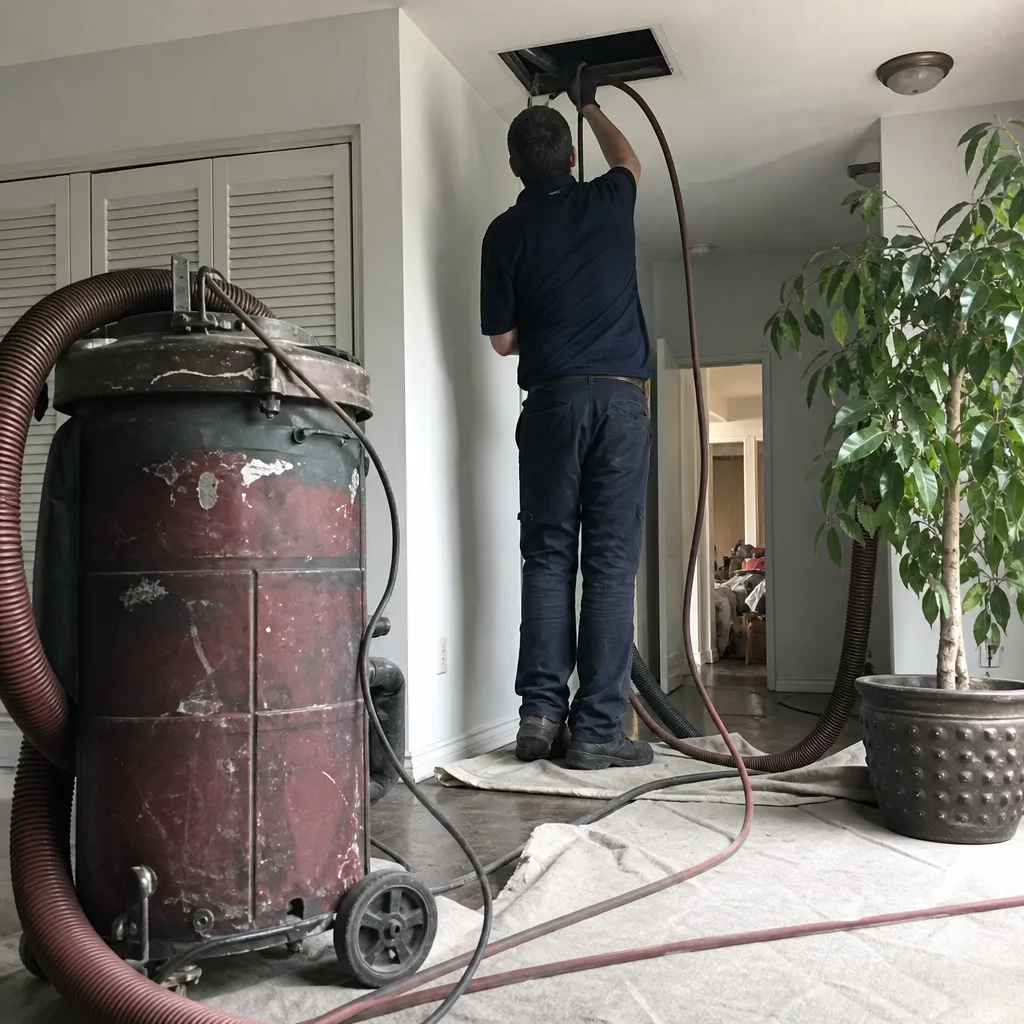
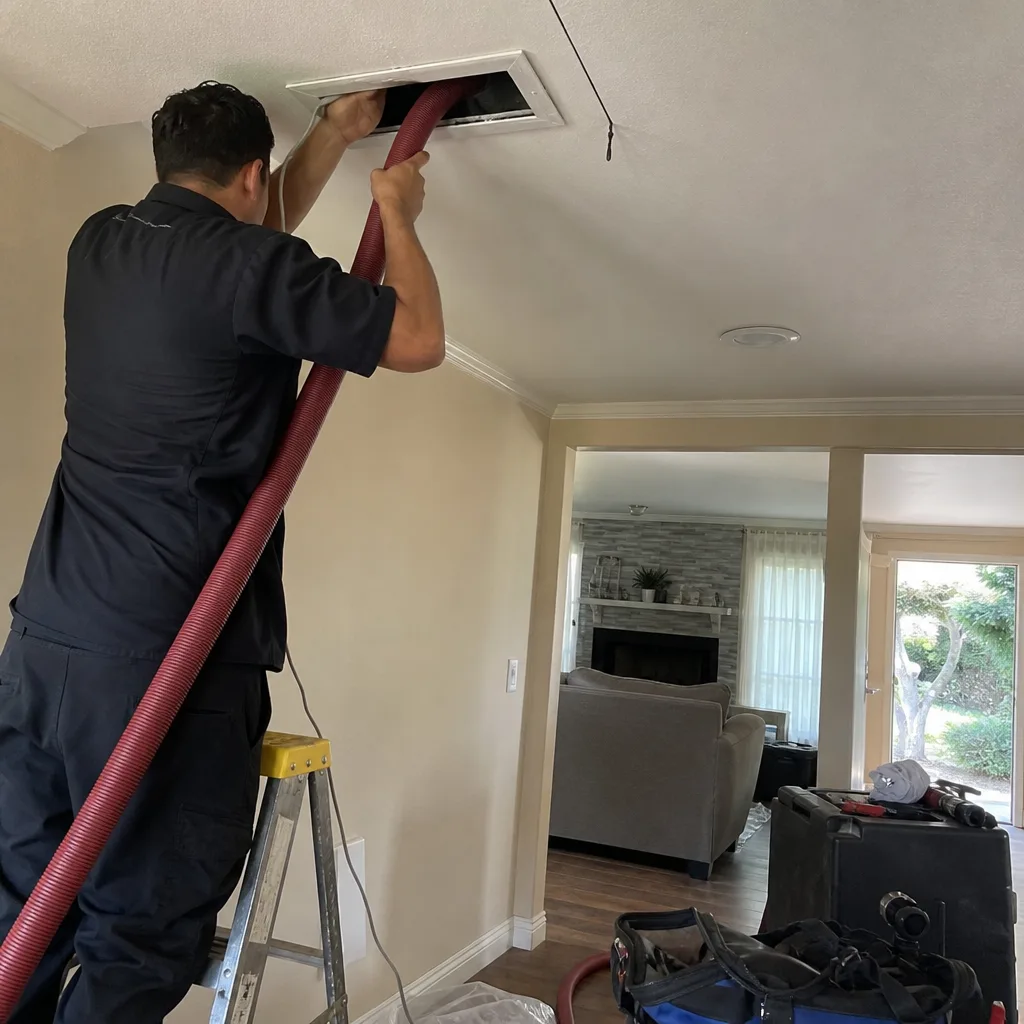
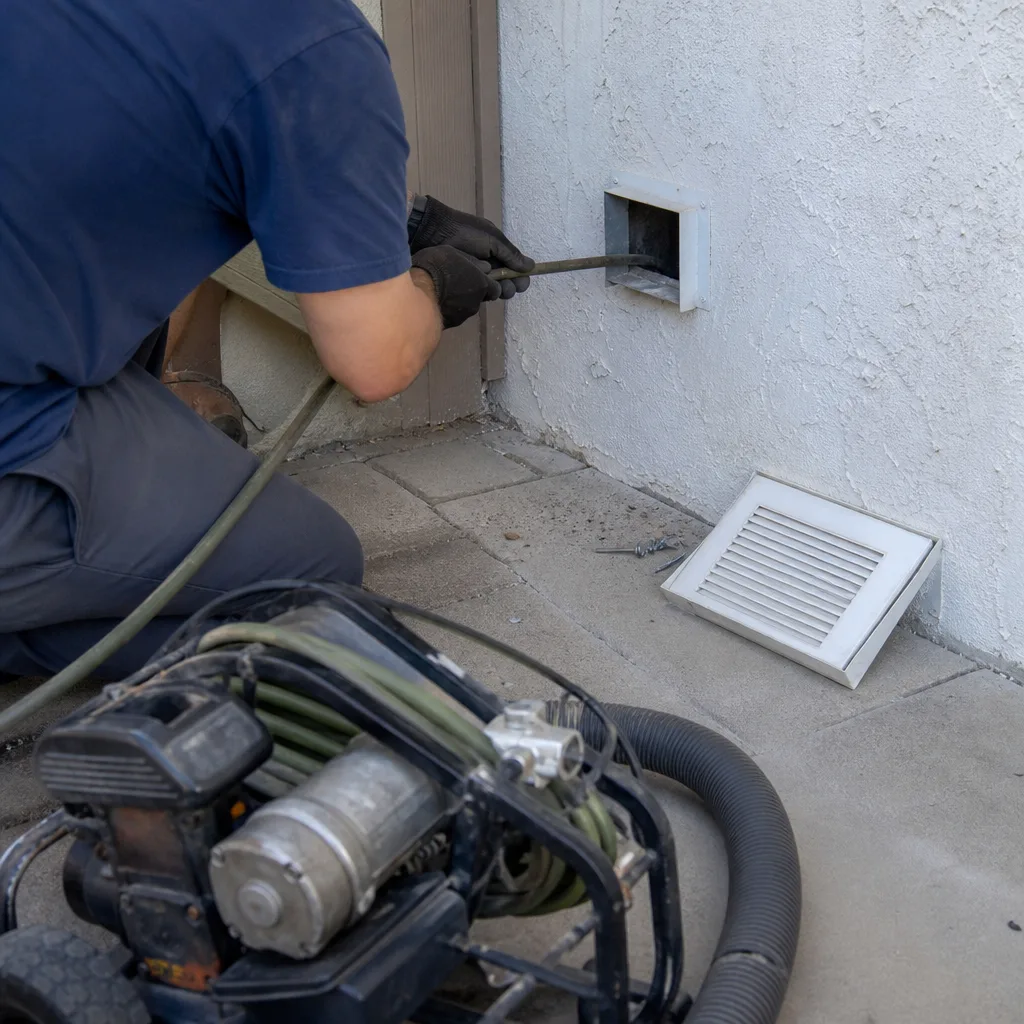
We run negative-air machines from Nikro and rotary brush systems from Rotobrush on every cleaning job. That gear does one thing: clean. When a job crosses into sealing or repair, the equipment changes, because the work has changed, and in Pasadena so has the paperwork.
What an Unpermitted Duct Repair Means for Insurance and Resale
This is the section most homeowners wish they had read before hiring a cut-rate crew. Unpermitted work is not theoretical risk. It lands in three concrete places.
Insurance claims: If a homeowner files a claim involving HVAC damage, smoke, fire, or water intrusion, the insurance adjuster may ask for the permit record on any previous duct work. No permit means the work didn’t officially happen. If the damage is traced to an unpermitted repair, the claim can be reduced or denied on the basis that the alteration was not code-compliant. Homeowners assume the insurance company won’t look that hard. They do.
Resale inspections: A buyer’s home inspector in Pasadena will flag visible duct repairs, especially in attics and crawlspaces. If the seller can’t produce a permit, the buyer has leverage. The sale can stall, a price reduction can be demanded, or escrow can force the seller to retrofit a permit after the fact, which means opening walls, paying penalties, and scheduling inspections on a clock. In Pasadena, the city requires disclosure of unpermitted work in the TDS (Transfer Disclosure Statement), and failing to disclose is worse than the original problem.
City enforcement: If Pasadena’s Building & Safety Division becomes aware of unpermitted work, typically through a complaint or a separate permit application that reveals it, the city can require the homeowner to obtain a permit after the fact, pay penalties, and bring the work into compliance. The homeowner pays twice: once for the original work, once to make it legal.
The contractor who skipped the permit is typically long gone. The permit obligation runs with the property, and the city’s hammer lands on the owner. Every time.
The Questions to Ask Any Duct Contractor Before Work Starts
This is the section to save. It’s a simple set of questions that will reveal within two minutes whether a contractor knows the rules in Pasadena or is winging it.
No legitimate duct cleaning company will be offended by these questions. The ones who push back are the ones who have a reason to.
What a Pasadena Duct Inspection Actually Involves
When a permit is pulled for duct work in the City of Pasadena, the inspection process is not a rubber stamp. It exists because bad duct work causes real problems: energy loss, moisture buildup, mold growth, and in the worst cases carbon monoxide backdrafting, which is a legitimate life-safety concern.
Here is what a typical Pasadena duct inspection covers, in order:
None of this happens when a crew does a quick fix without a permit. That’s the tradeoff: the unpermitted fix takes one hour and is invisible. The permitted fix takes longer and costs more. But the permitted fix is documented, insured, inspected, and safe. In Pasadena, where the housing stock includes plenty of older homes with original duct runs, that documentation matters more each year.
What homeowners should know, in plain terms: our technicians are background-checked and uniformed. When a job requires a permit, we handle it as part of the written scope. The Hollis Air Duct Pasadena home page lays out what that standard looks like on a real job.
Common Mistakes to Avoid
When to Call a Professional
You should call a professional the moment you suspect your duct system has a problem, not just a layer of dust. See our Air Duct Cleaning Warning Signs: A Pasadena Homeowner’s Reference Guide for what to watch for. If you hear rattling inside your walls when the system runs, smell musty air only when heating or cooling, notice some rooms never reach the thermostat temp, or find visible duct joints pulling apart in the attic, that’s beyond cleaning and likely into repair territory. If you’re buying or selling a home in Pasadena and the inspection report mentions “duct repairs” or “unpermitted HVAC work,” get a professional involved before close. If you’ve had a previous contractor do duct work and can’t produce a permit, the finest time to find out if it’s compliant is now, not during a claim. Our crews use professional-grade equipment from Rotobrush, Nikro, and filtration brands like Guardsman, and we quote every job in writing before work starts. Hollis Air Duct Pasadena offers free estimates in Pasadena. Call (626) 469-5477.
Frequently Asked Questions
No. Air duct cleaning in Pasadena does not require a permit because it is maintenance, not alteration. A permit becomes necessary when the work includes repair, replacement, rerouting, or sealing performed to restore function.
City of Pasadena permit fees vary by project value and scope. That said, the bigger risk is skipping it: unpermitted duct work can surface during a resale or insurance claim and cost far more to retrofit than the original permit would have. If a contractor quotes you a price for permitted repair, the permit line item should appear separately, with a number.
It depends on why the sealing is being done. Sealing a minor gap at a register during routine service is maintenance. Sealing multiple leaks, sealing full attic runs, or sealing after a repair is alteration, and in Pasadena that can require a permit. If a contractor can’t tell you which category your job falls into, that’s your signal to ask more questions.
You may be required to disclose it in the Transfer Disclosure Statement, and the buyer’s inspector may flag it. The sale can be delayed, the price renegotiated, or the city can require retroactive permitting. It’s one of the fastest ways to lose money at closing that we see in Pasadena real estate transactions.
If the company holds a contractor’s license with the right classification, yes. But they must actually do it. Never assume it’s been done. Ask for the permit number, ask who schedules the inspection, and ask for it all in writing. A company that works in Pasadena regularly will have no problem providing this. Ours does, on every job where the scope requires it.
Call the City of Pasadena’s Building & Safety Division and request the permit history for your address. It’s a public record. If a previous repair isn’t on it, you own the problem. You can then decide whether to retroactively permit it, have it inspected voluntarily, or disclose it when you sell.
The Bottom Line
Air duct cleaning in California requires no permit, and in Pasadena that rule hasn’t changed. What has changed, and what separates this city from many of its neighbors, is how aggressively the local code treats repair, sealing, and modification when they happen around that cleaning. The distinction hinges on whether the system was altered, not on whether a contractor was licensed. That’s the thing to remember. Ask what happens if something is found during cleaning. Ask if a permit is needed. Get both answers in writing. A disciplined contractor will welcome every one of those questions, because a disciplined contractor follows the same rules whether anyone is watching or not. Hollis Air Duct Pasadena has operated that way since 2004, under The Garrison Standard, with written prices, written guarantees, and the 365-Day Done Right Promise on every job. If you want to know where your ducts stand, call (626) 469-5477 for a free estimate in Pasadena.
Written by Roy Castellanos, Owner at Hollis Air Duct Pasadena, serving Pasadena since 2004.
See the difference
 Before
 After
After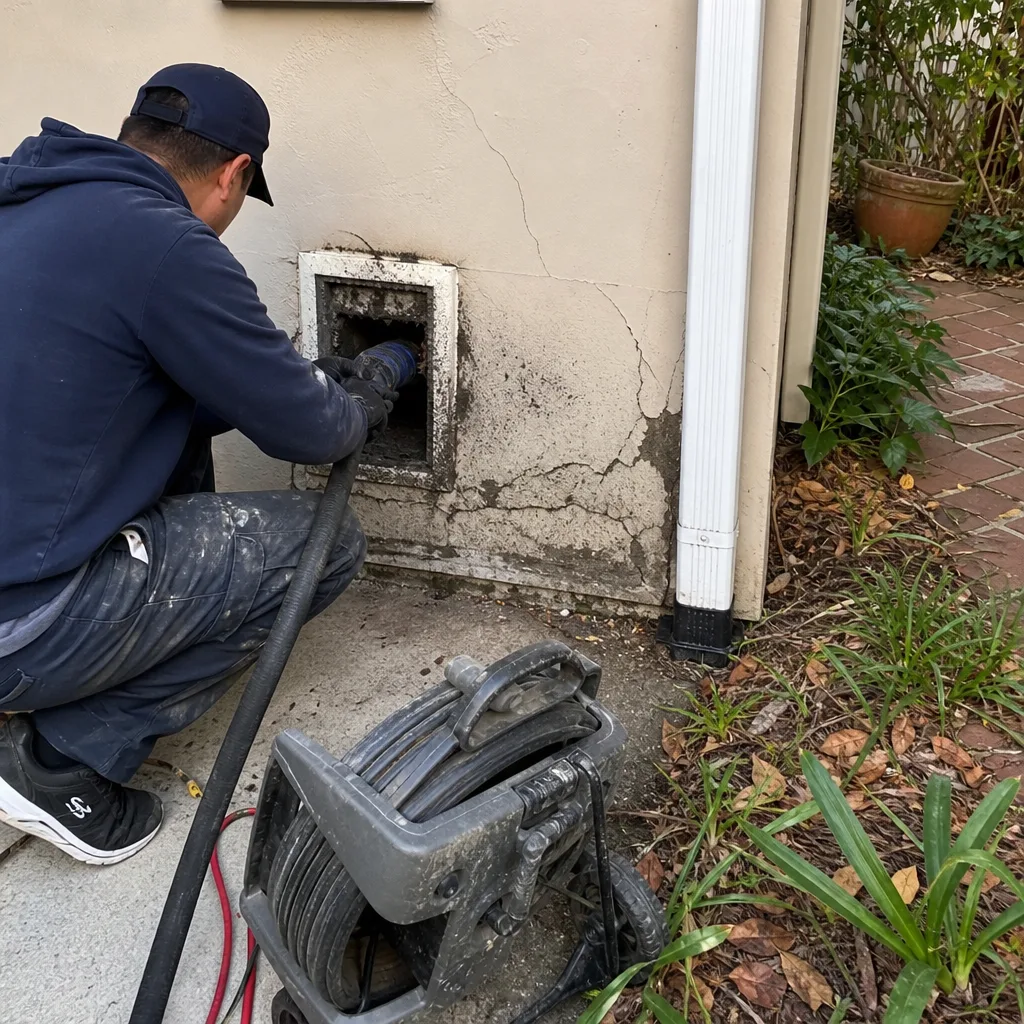 Before
 After
After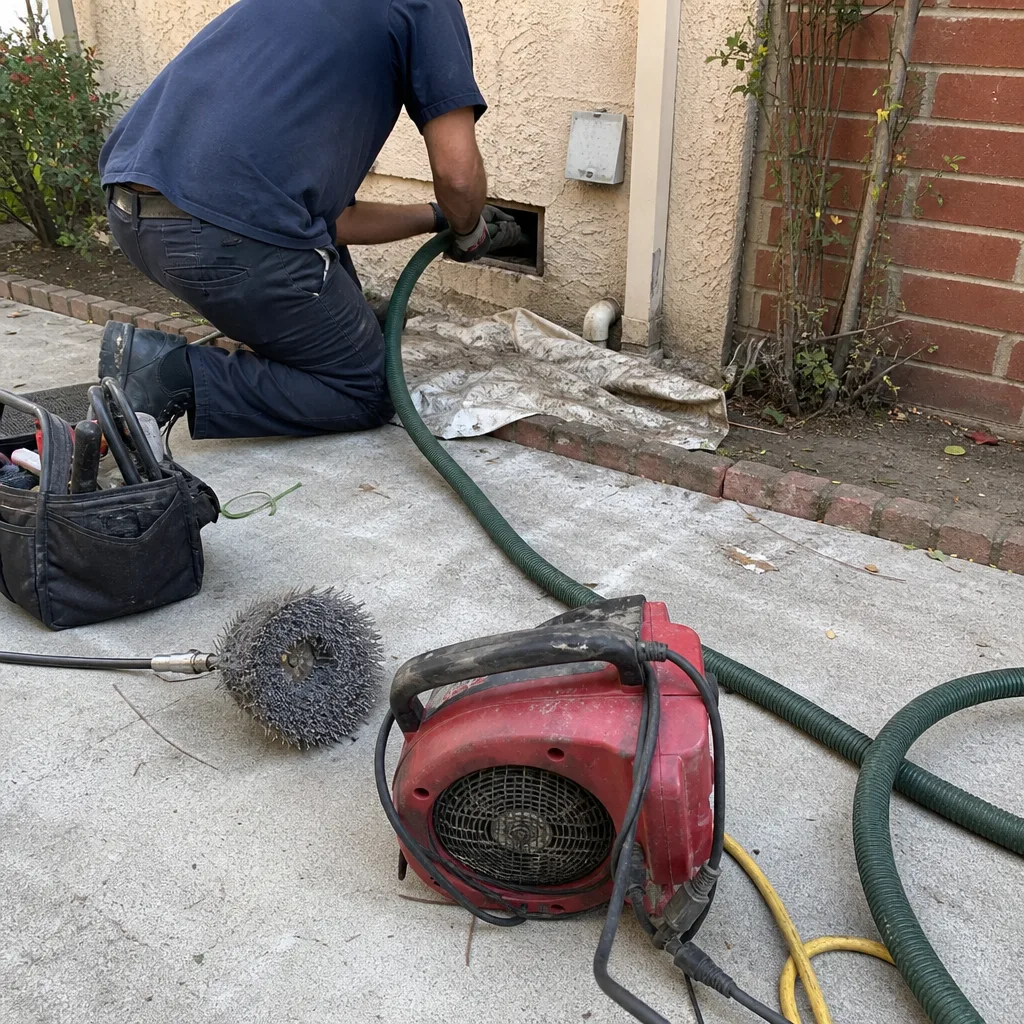 Before
 After
After