
Last updated October 15, 2026
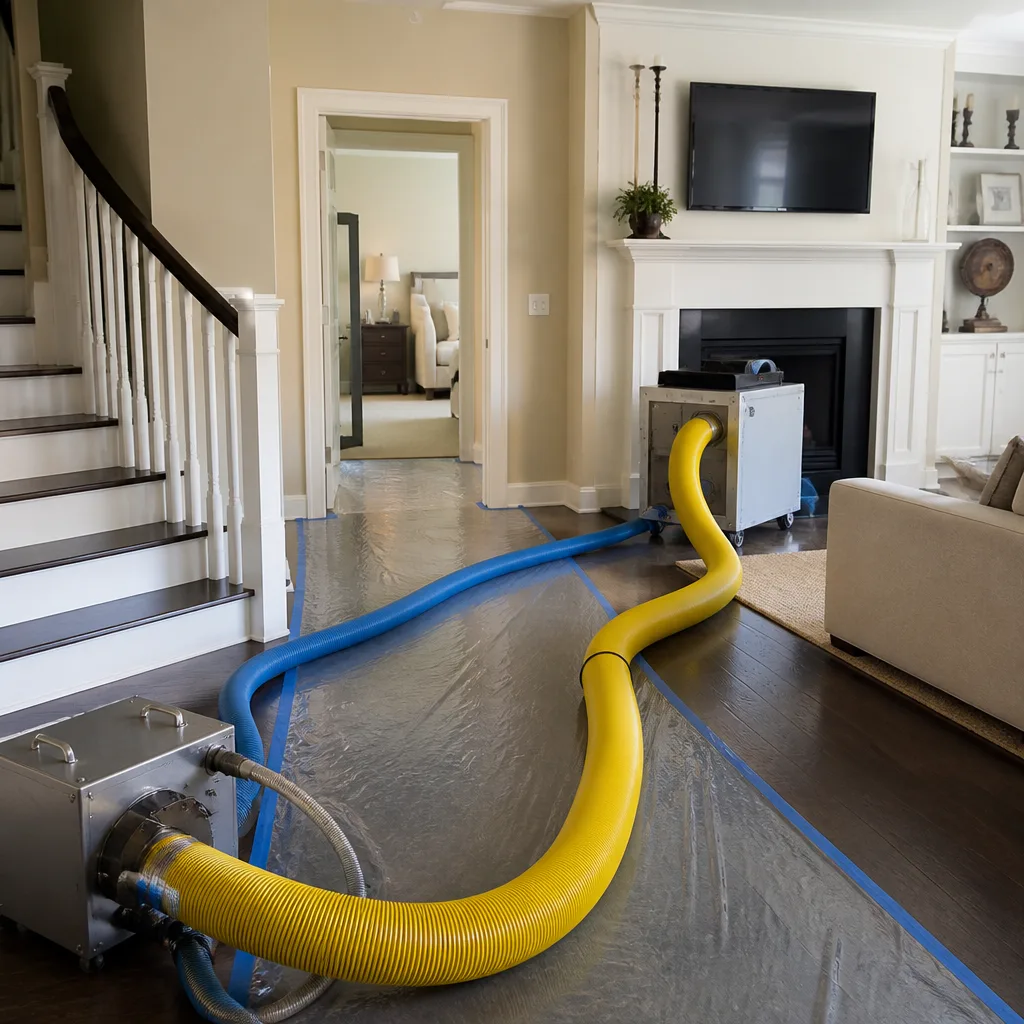 Whole-home duct cleaning
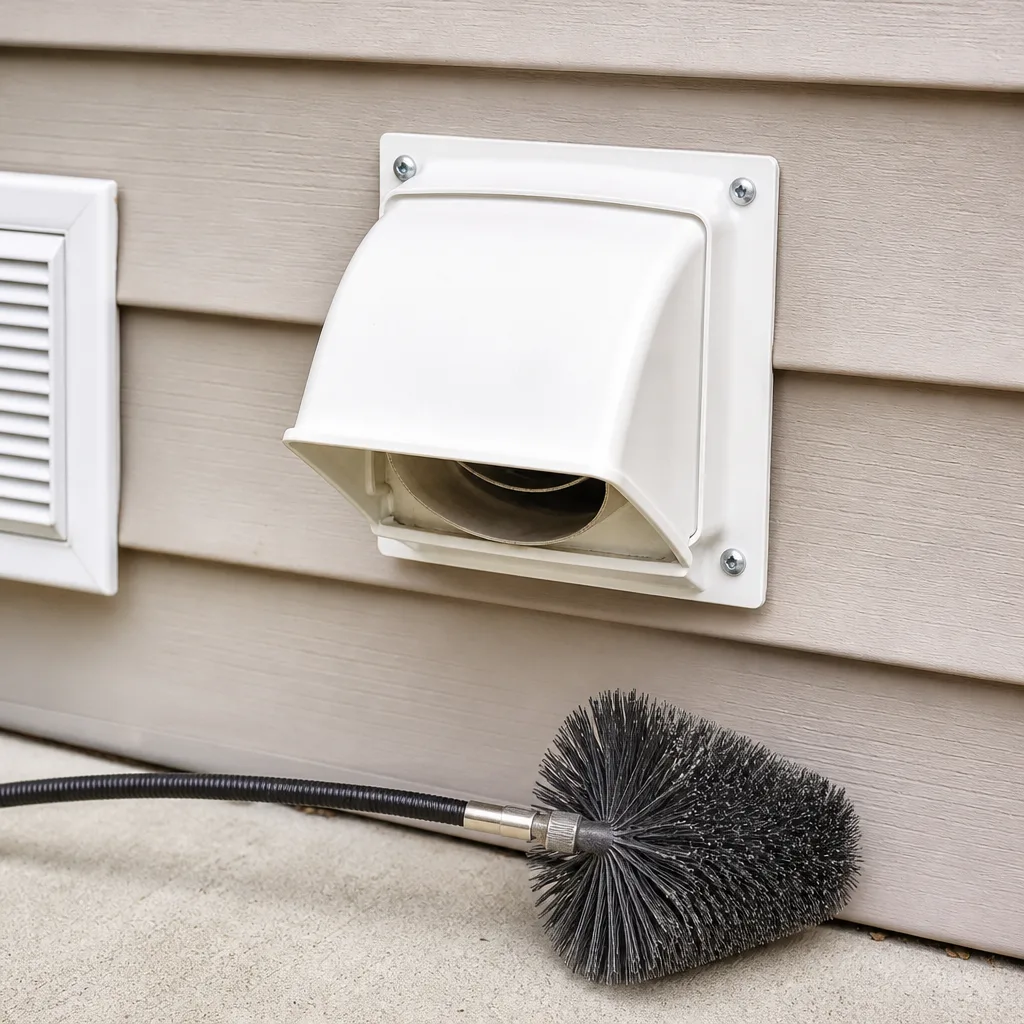 Dryer vent cleaning
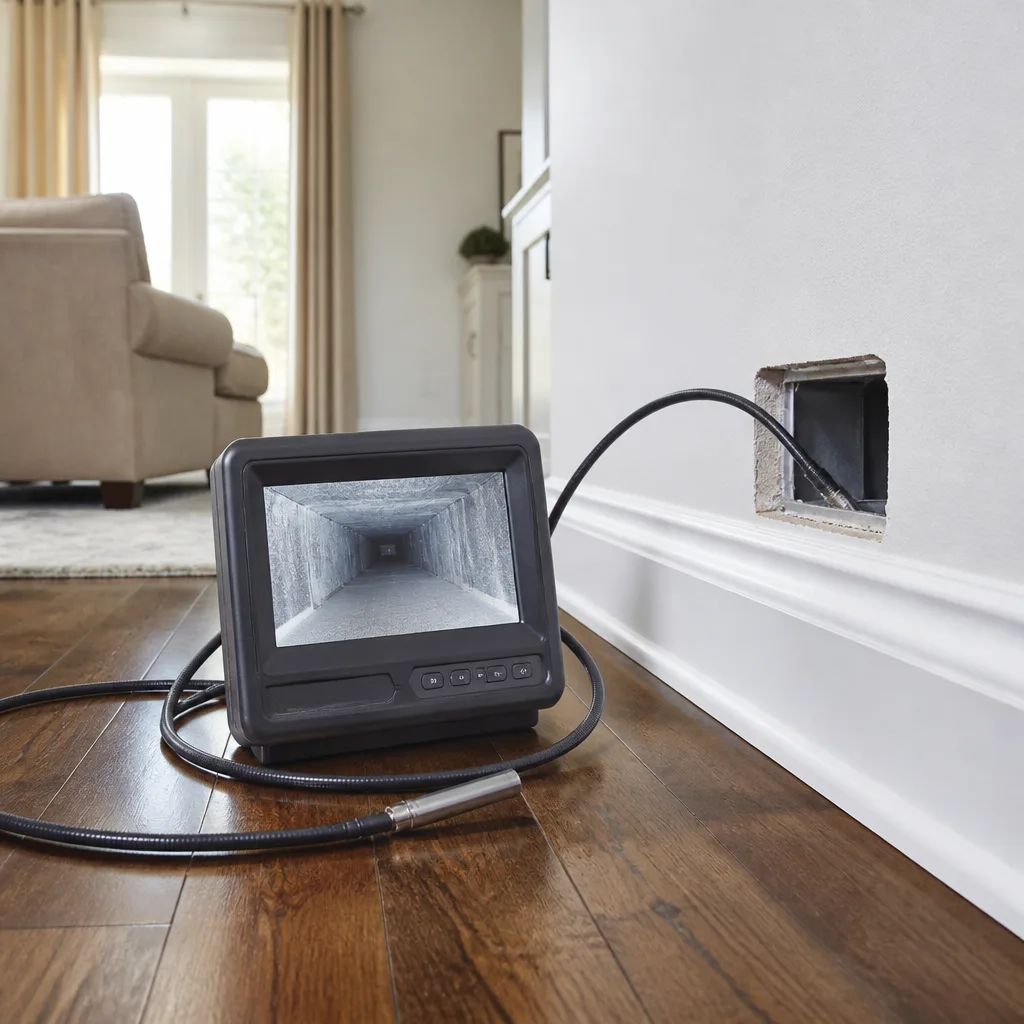 Camera inspection
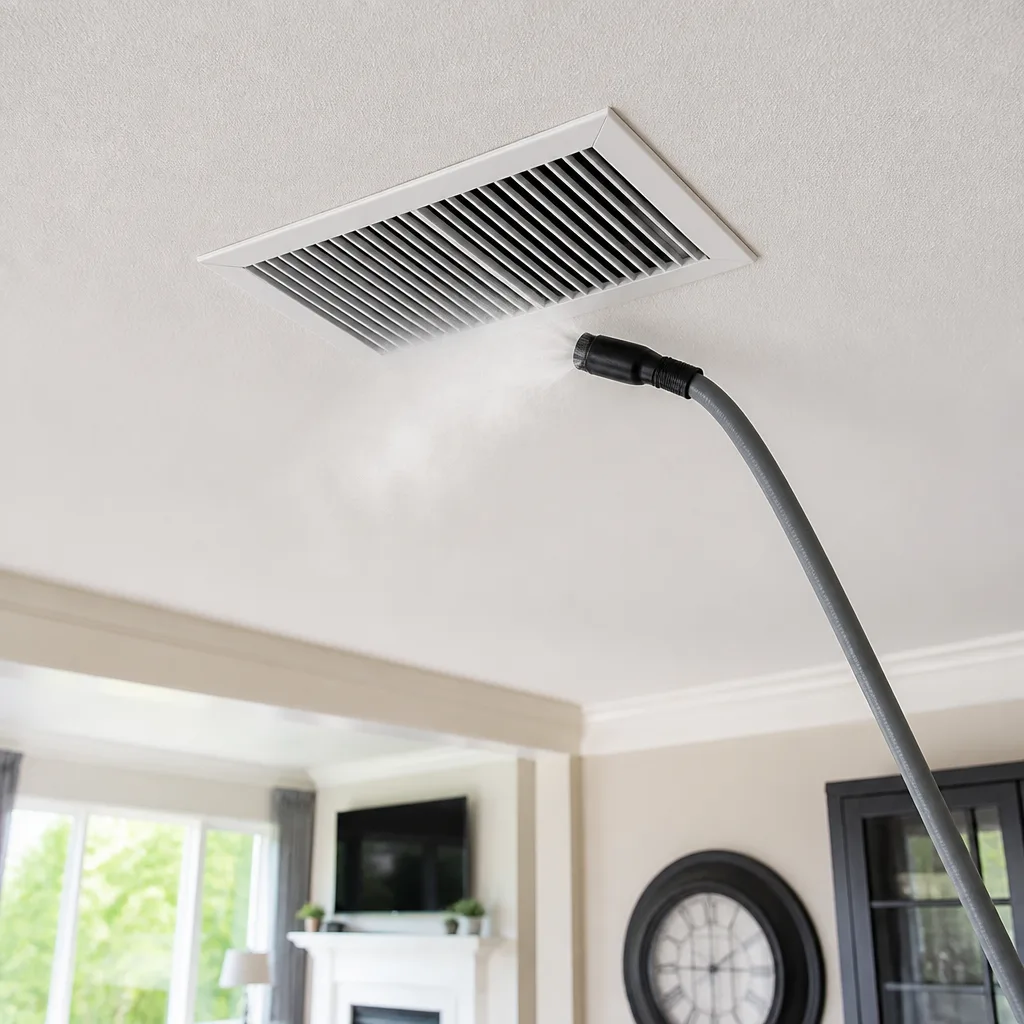 Sanitizing & deodorizing
Whole-system duct and dryer vent check with before-and-after photos - you see exactly what came out of your vents
That "$99 whole-house special" is a bait ad - the real number appears once they are in your hallway, or the "clean" is a shop-vac at the register. We photograph the inside of your ducts before and after instead.
Air Duct Cleaning Warning Signs: A Pasadena Homeowner’s Reference Guide
Dust on your furniture is not a warning sign – it’s Tuesday. Here’s the thing most guides won’t tell you: the air ducts in your Pasadena home are sending you signals long before a problem becomes a repair bill. The trick is knowing which signals are mechanical, which are biological, and which are costing you money every single month even though you can’t see them. This guide identifies the specific, observable indicators that something is actually wrong with your duct system, ranked by urgency, paired with what each sign is telling you about the air moving through your house. If you live in Pasadena, pay close attention – our dry summers and older housing stock create a particular set of duct problems you won’t find in every guide.
Quick Answer
The clearest warning signs that your Pasadena home needs air duct cleaning include visible mold growth on register covers, musty odors that strengthen when the HVAC runs, unexplained spikes in your energy bill, rooms that consistently run 5°F or more hotter or colder than the rest of the house, and dust or debris actively blowing from the vents. If you notice any two of these together – especially odor combined with a bill increase – schedule an inspection rather than waiting. A professional duct cleaning in Pasadena typically resolves the issue in a single visit and costs between $300 and $500 for most homes.
Styles & brands we work with
Table of Contents
- 1. Register Evidence: What the Grilles Are Telling You
- 2. Odor Signatures: Musty, Burning, and Chemical Smells
- 3. Uneven Room Temperatures: Leaks vs. Blockages
- 4. Reading Your Energy Bill Before Your Eyes Can See the Problem
- 5. Reduced Airflow: When the System Works Harder to Move Less
- 6. Pest Evidence in Ductwork: What Pasadena Homeowners Should Know
- 7. Noise Signals: What Your Ducts Sound Like When Something’s Wrong
- 8. What You Can Check Yourself vs. What Needs a Camera
Register Evidence: What the Grilles Are Telling You
Walk up to any supply register in your Pasadena home and look at it closely. Not casually – closely. The metal or plastic grille that covers the duct opening accumulates evidence over time, and that evidence tells you more than any general advice about “dusty rooms” ever could.
Here’s what to look for, and what each observation means:
- Grey, wispy dust clinging to the register fins. This is normal in Pasadena, especially during Santa Ana wind season. Fine particulate gets pulled through return ducts and deposits near registers. Clean it off and check again in two weeks. If it’s back and noticeably thicker, the ducts themselves are shedding debris, not just filtering outside air. We see this pattern frequently in homes near the Arroyo Seco where landscaping dust is constant.
- Black or dark-grey speckling that doesn’t wipe away easily. This indicates soot from candles, fireplaces, or – in older Pasadena homes – a gas appliance that burns less cleanly than it should. It’s not mold, but it’s a sign the ductwork is carrying combustion byproducts. If you burn candles regularly, dark speckling is your first clue that your ducts need attention more often than the standard five-year interval.
- White, green, or black growth that appears fuzzy, slimy, or patchy. This is a potential mold or microbial growth situation, and it changes the urgency entirely. In Pasadena’s climate, elevated humidity in crawl spaces under older homes creates conditions where condensation forms inside ducts, and condensation plus dust equals growth. Don’t spray it, don’t scrape it into the duct, and don’t wait. This requires a professional with the right equipment to clean, not just wipe the visible surface.
- Golden or brownish staining on the register. That’s pine pollen. Pasadena sits in a valley that holds tree pollen in spring, and it works its way into duct systems through return air. Pine pollen is sticky and coats duct interiors, providing a surface that traps finer dust. If your registers show golden staining, your ducts have been collecting pollen for multiple seasons.
- Visible debris you can identify. Pet hair balls, construction drywall dust, or attic insulation fragments at the register mean the duct system has been open to contamination at some point – either during a renovation, a previous HVAC replacement, or from animals in the attic dislodging insulation near duct boots. Construction dust is especially common in Pasadena homes built before 1980 that have gone through kitchen or bathroom remodels over the years.
The takeaway: normal household dust sits on top of the register. Accumulation that appears inside the duct opening, on the inner surface of the boot, or in patterns that repeat after cleaning is evidence the duct interior itself is the source. That’s a cleaning issue, not a housekeeping issue. For a full walkthrough of what a proper cleaning covers, see our Air Duct Cleaning in Pasadena page.
Odor Signatures: Musty, Burning, and Chemical Smells
Your nose is the most sensitive diagnostic tool you own, and duct systems have a way of concentrating odors and delivering them right to you on a schedule – whenever the blower runs. Odors are ranked by what they indicate and how urgently you should respond.
The Musty Smell: Microbial Activity, Not “Old House Smell”
A persistent musty odor that kicks up when the HVAC runs means moisture has found a home somewhere in the system. That “old Pasadena house” smell is often actual microbial growth – the same smell you’d recognize from a damp basement. In our experience working throughout Pasadena, the usual sources are: the evaporator coil sitting in a drain pan that doesn’t drain properly, a crawl space with standing water or high soil moisture, or condensation forming inside uninsulated ducts running through attic spaces.
The fix depends on what’s growing and where. Cleaning the ducts alone won’t stop it if the coil or drain pan is the source. This is a case where Duct Sealing in Pasadena and cleaning work hand in hand: if humid attic air leaks into the duct system through unsealed joints, the interior gets damp every single time the AC runs in summer. Seal the leak, then clean the duct. Otherwise you’re treating the symptom.
The Burning or Dusty Smell: First Heat of the Season
If you smell that signature burning-dust odor the first few times you run the heat in late fall, that’s normal – dust settles on the heat exchanger during months of disuse and burns off. It should fade within an hour or two of run time. But if that burning smell persists beyond the first few cycles, or if it returns every time the furnace kicks on, the ducts have a larger dust load that needs cleaning. It’s the difference between a thin film that burns off and a layer thick enough to keep re-charring.
Here’s the safety note: if the burning smell is acrid or chemical rather than dusty, shut the system down and have a professional look at it before running heat again. A cracked heat exchanger can produce carbon monoxide, and while carbon monoxide itself is odorless, the smell of overheating components is not something to troubleshoot on your own.
The Chemical or Solvent Smell: Recent Renovation Residue
A chemical odor through the vents almost always traces to something that got into the duct system during work: paint overspray from a remodel, adhesive from new flooring, or sealants used on the roof or insulation. Pasadena’s older homes see a lot of renovation activity, and if the HVAC ran during the work, the ducts pulled in whatever was in the air. The good news is chemical residues are removable with thorough cleaning – but they need to be removed, not just aired out, because the particles adhere to the duct walls and continue to off-gas for months. If you did any interior work in the last year and now smell chemicals with the system on, that’s your answer.
Uneven Room Temperatures: Leaks vs. Blockages
One bedroom in your Pasadena home is always five degrees warmer than the rest of the house in August, while the kitchen stays cool. Or maybe it’s the upstairs landing that never gets warm enough in winter. Uneven temperatures are the most commonly reported duct problem we hear, and here’s what most people don’t realize: leaks and blockages create nearly identical symptoms, but they need different fixes.
A leak means conditioned air is escaping from the duct before it reaches the intended room. In Pasadena homes with ducts running through uninsulated attics, leaks are almost standard – the joints between duct sections were sealed with tape that dried out years ago, and now you’re paying to cool your attic. The telltale sign: the room closest to the blower gets adequate airflow while distant rooms starve. The air is leaking out gradually along the run, and the rooms at the end of the line pay the price.
A blockage means something is physically restricting airflow inside the duct. That could be a crushed flex duct, a damper that’s stuck shut, an HVAC filter that was never changed and got sucked into the return, or – in Pasadena’s older homes with original galvanized ducting – decades of caked dust that has narrowed the passage. The telltale sign: one specific room or register has noticeably weak airflow regardless of season, and the airflow doesn’t improve when you adjust other registers.
How to distinguish them yourself: go to the weak room and hold a piece of tissue paper at the register. If it barely moves while rooms closer to the blower have strong airflow, that pattern suggests a leak. If the airflow is weak even at the register closest to the blower on that particular branch, you may have a blockage. Of course, a technician with a camera – which we carry and use on every diagnostic visit – can confirm which it is in minutes. The point is this: both conditions cause the same uncomfortable room, but cleaning alone won’t fix a leak, and sealing alone won’t clear a blockage.
Reading Your Energy Bill Before Your Eyes Can See the Problem
Some duct problems show up on your SoCalGas or Pasadena Water and Power bill before you ever see or smell anything. Here’s how to read those numbers.
First, establish your baseline. Your utility bill shows usage compared to the same month last year, and if you’ve lived in the house for more than one summer, you know what your typical July and August look like. A jump of 15% or more in cooling costs that you can’t explain with rate increases or a heat wave is a red flag. In Pasadena, where summer temperatures push past 95°F for stretches at a time, air conditioning is already expensive. If your system is leaking 20-30% of the air it conditions through unsealed duct joints in the attic – a finding the Department of Energy has cited as common in existing homes – that’s money leaving your house every hour the system runs.
Second, look at your run time, not just the dollar figure. If you have a smart thermostat, it logs how many hours per day your system runs. A system that runs longer than it used to, while maintaining the same indoor temperature, is working against a leak or blockage that’s robbing it of efficiency. We’ve had Pasadena clients find that their system went from 6 hours of daily runtime to 9 hours because of a single disconnected duct in the attic. That’s a 50% increase in wear and tear, plus the electricity cost, from one popped joint.
Third, watch your bill in the shoulder seasons – October and November in Pasadena. If you’re still spending almost as much as you did in August while barely running the system, something is wrong. That’s the time to call for a diagnostic rather than waiting for the bill.
What a high bill typically means for your ducts: leakage, blockage, or both, causing the blower to work longer to satisfy the thermostat. Cleaning alone may not solve it, but a good diagnostic will tell you exactly where the air is going. That’s why we combine camera inspection with any cleaning quote – you should see what we see.
Reduced Airflow: When the System Works Harder to Move Less
Hold your hand at an HVAC register. You should feel a steady, noticeable push of air when the system ramps up. If the airflow feels weak – like the system is exhaling instead of blowing – that’s a measurable symptom, not a subjective one.
Reduced airflow has four primary causes, and they range from easy to serious:
- A clogged filter. The fastest and cheapest fix in the book. If you can’t remember the last time you changed it, change it now and check the airflow again. This is a filter problem, not a duct problem – but running a clogged filter for months pushes dust and strain into the entire system.
- Collapsed or crushed ductwork. Flexible ducts – the insulated silver tubes common in newer Pasadena construction and retrofits – can be crushed when someone steps on them in the attic, or when something heavy gets stored on top of them. A crushed flex duct broadcasts weak airflow to one or two rooms specifically. The fix is replacing or re-supporting the affected section, which is often less expensive than homeowners expect.
- Dust loading. Over years of operation without cleaning, duct walls accumulate a layer of fine dust and debris. In our experience with Pasadena homes that haven’t been cleaned in over a decade, the interior buildup visibly narrows the duct diameter, especially in horizontal runs. The system can still move air, but it moves less of it, and the blower has to work harder to push through the restriction.
- A failing blower motor. This is an HVAC component issue, not a duct issue – but the symptom is identical. A technician will check blower speed and amperage draw. If the blower is the culprit, that’s a conversation with your HVAC contractor. But before you spend on a new motor, confirm the ducts are clean and the filter is fresh.
The most important point about reduced airflow is that it compounds. A dirty filter leads to reduced flow. Reduced flow causes the coil to get colder than designed, which can cause it to ice over. Icing reduces flow further and puts liquid water where it shouldn’t be – inside the cabinet or dripping into ducts. From there, moisture plus dust equals the microbial problem you were hoping to avoid. Catching airflow reduction early is preventive maintenance in the truest sense.
Our technicians use professional-grade equipment including Rotobrush rotary brush systems and Nikro negative-air machines to actually remove built-up debris rather than just stirring it loose – a distinction that matters when you’re trying to restore proper airflow through the whole run, not just the sections near the registers. For related systems, our Dryer Vent Cleaning in Pasadena service applies the same standard to lint-clogged exhaust lines, which create their own airflow and safety problems.
Pest Evidence in Ductwork: What Pasadena Homeowners Should Know
Pasadena sits in a climate where rats, mice, and squirrels live happily in mature trees, attics, and crawl spaces – and ductwork occasionally becomes part of their territory. Here’s what indicates pests have been in your ducts, and why it matters beyond hygiene.
Scratching sounds from the walls or ceiling when the HVAC is off. Ducts that run through attic and crawl spaces act as highways for rodents. If you hear movement that stops when you tap the wall, that’s a live animal, and you need pest control before duct cleaning. We can’t clean a duct system that’s actively occupied – and no legitimate company would suggest otherwise.
Droppings at the register or inside the duct opening. Rodent droppings are rice-shaped, dark brown or black, and about a quarter inch long. If you see them on the floor below a register or inside the duct boot when you remove the grille, that’s direct evidence of animals in the system. This is not a cosmetic issue. Rodent waste in ducts means the air passing through is picking up particles from that waste and distributing them through your living space.
Strong ammonia or urine odor from the vents. Urine smell in an HVAC system is unpleasant, but the bigger problem is that urine damages duct interiors – it soaks into fiberglass lining and insulation and leaves a persistent odor that cleaning alone may not fully eliminate. In some cases, the affected section needs replacement rather than cleaning. A proper assessment should tell you which outcome you’re facing before you spend money.
Chewed flex duct. If you’re in the attic and see torn outer jackets on the insulated flex lines, with exposed inner liner or visible gaps, that’s animal damage. It’s also a leak – conditioned air escapes through every hole. Pest damage requires a two-step response: first, exclude the animals with proper sealing and screening at penetration points; second, clean or replace affected duct sections. Skipping step one just means the work gets undone.
One more Pasadena note: our dry climate doesn’t mean your ducts stay dry. Rodent activity in an attic or crawl space tends to accelerate condensation problems because animals disturb insulation and leave waste that holds moisture. The link between pests and duct growth is real, and cleaning after pest remediation is standard protocol.
Noise Signals: What Your Ducts Sound Like When Something’s Wrong
A duct system in good shape makes a low, steady rush of air when running. It shouldn’t chatter, thump, or whistle. Each of those sounds tells you something specific.
- Whistling or high-pitched whine from a register. Air is being forced through a restriction, and the restriction is usually at the register itself – a damper that’s mostly closed, a grille cover that’s been painted over one too many times, or a dust blockage in the register boot right behind the opening. The whistle means pressure is building upstream of the restriction, which forces the system to work harder. It’s often fixable by cleaning the boot and adjusting the register, but persistent whistling that travels through the duct indicates a more serious narrowing somewhere in the run.
- Metallic pinging or ticking while the system runs. This is thermal expansion – ductwork made of sheet metal expands and contracts as warm or cool air passes through. Some pinging is normal, especially in older galvanized ducts like those found throughout Pasadena’s mid-century homes. But if the pinging is constant and rhythmic, it often means the ducts have been worked on – sealed, patched, or rebent – and tension in the metal wasn’t relieved. It’s not urgent, but it’s a sign someone’s been in the system before, which is worth knowing.
- A dull thump or boom when the system shuts off. The blower stops, air pressure equalizes, and a section of duct flexes outward. This happens when duct sections are undersized for the blower’s output, or when a flexible section has lost its support strapping and is literally moving with changes in pressure. Over time, the constant flexing breaks seals at joints – and now you have a leak forming.
- Rattling that matches the blower rhythm. Something is loose inside the duct – a rodent blockage that’s being vibrated, a section of liner that’s delaminated, or debris that got pulled in through a return. If you can isolate which register the rattle comes from, a technician can scope that run with a camera and tell you exactly what’s in there.
If any of these sounds change suddenly – from soft to loud, or from periodic to constant – pay attention. Sudden changes mean something shifted class, from condition to problem. That’s the moment for a diagnostic visit, not a “let’s see what happens.”
What You Can Check Yourself vs. What Needs a Camera
Before you spend money on a diagnostic call, there are things you can and should inspect yourself. Here’s the honest breakdown.
What to check yourself (safe, no special tools):
- Every register and return grille. Remove them – most are held by two screws or lift off. Look down into the duct boot with a flashlight. You can see the first 6-12 inches. Note what you find: dust layer, debris, staining, droppings.
- The filter. Pull it out and look at it. If it’s grey and clogged, your system has been running under restriction. Change it, and check again in 30 days. A filter that’s clogged again after 30 days tells you the ducts are feeding continuous dust toward the blower.
- Visible duct runs in the attic or crawl space. If your home has accessible attic ducts, put on a mask and take a look. You’re not walking on anything or moving insulation – just looking. Are sections hanging at angles? Is the insulation jacket torn? Are there animal droppings or nesting material near the duct lines? These are all observable without touching anything.
- Your condensation line and drain pan. If you can access the indoor unit, look at the drain pan under the coil. Standing water or a slimy film means the system isn’t draining, and that moisture has been interacting with your ducts. This is a strong predictor of the musty-smell problem described earlier.
What requires a professional with camera equipment:
- The interior of the duct runs themselves. A 6-inch duct can hide a 2-inch dust layer, a rodent nest, a disconnected joint, or a crushed section – and you can’t see any of those from the register opening. We use camera scopes that travel the full length of the run. You watch the footage. There’s no “take my word for it.”
- Leakage testing. If you suspect leaks but can’t feel them, a blower door or duct leakage test quantifies how much air is actually escaping. This is specialized measurement, not guesswork, and it tells you whether your problem is leakage, blockage, or both before you commit to a fix.
- Mold verification. Visible growth at a register is one thing. Growth inside the duct visible only by camera is another. If microbial contamination is suspected, the right approach is visual confirmation first, then cleaning with proper containment – not scraping and hoping.
- Post-cleaning verification. After a cleaning, you should be shown before and after photos or video of the duct interiors. If a company can’t show you verification of the actual work, you have no way of knowing what was actually done. We photograph and video every run we clean. You see the before, you see the after, and you keep copies.
The dividing line is simple: if you can see it with a flashlight while standing on a stepladder, it’s a homeowner check. If it’s inside the duct beyond your line of sight, that’s camera territory. And be wary of any company that quotes you a cleaning price without ever looking inside the ducts – that’s a red flag that you’re dealing with a per-vent tourist, not a duct contractor.
Common Mistakes to Avoid
- Treating every dust sighting as a duct emergency. Some dust at registers is normal, especially during Santa Ana events in Pasadena. Overreacting means you spend money you didn’t need to spend. Look for the specific patterns described in this guide instead.
- Ignoring a persistent musty odor because “it’s an old house.” Old-house smell is real, but it’s not inevitable. If the odor increases when the HVAC runs, you have a moisture or contamination problem that will worsen, not improve, over time.
- Cleaning the ducts without finding the source of the problem. If you have a crawl space leak that’s keeping the ducts damp, cleaning is a temporary fix. Address the source first, then clean. Otherwise you’re paying for a clean system that’s already getting dirty again.
- Choosing a cleaning company by price alone. Duct cleaning is one of those trades where the low-price bait is priced to break – at the door. The Pasadena market has honest operators and less honest ones, and the difference shows up in what you’re charged after the tech walks in. Demand a written price before work starts and verification photos after it’s done.
- Running the system with a clogged filter while you “think about it.” The thinking time is when the damage compounds. Airflow drops, the coil runs cold, moisture forms, and you now have an $800 problem that started as an $8 filter.
- Assuming a new HVAC system means clean ducts. New equipment doesn’t clean old ductwork. If a new furnace or AC was installed in your Pasadena home but the existing ducts were reused, they carried over every bit of accumulated material from the years before.
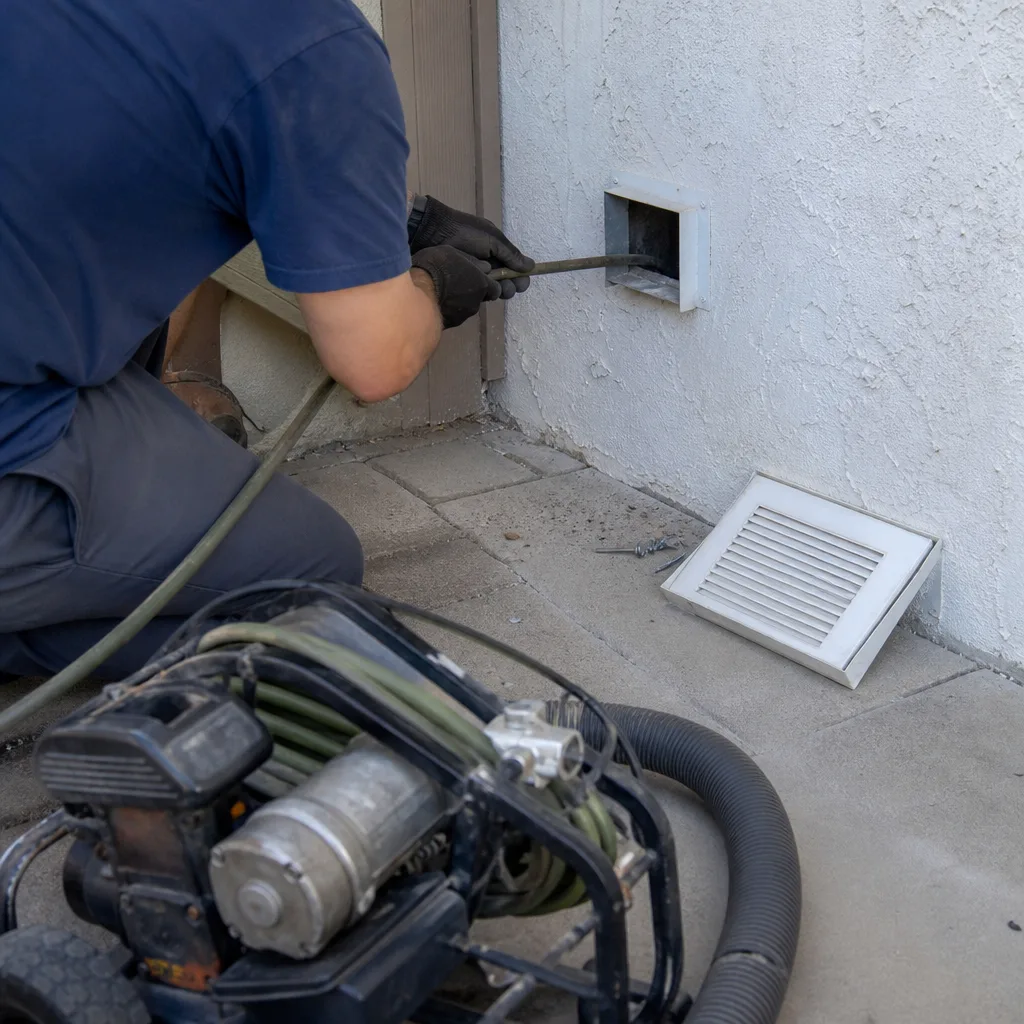
- Neglecting the dryer vent because “the dryer still works.” A restricted dryer vent means the dryer runs longer and hotter, which in Pasadena’s dry summer air carries a real fire risk. It’s the most dangerous “still working” condition in your home. See our Dryer Vent Cleaning in Pasadena for specifics.
See the difference
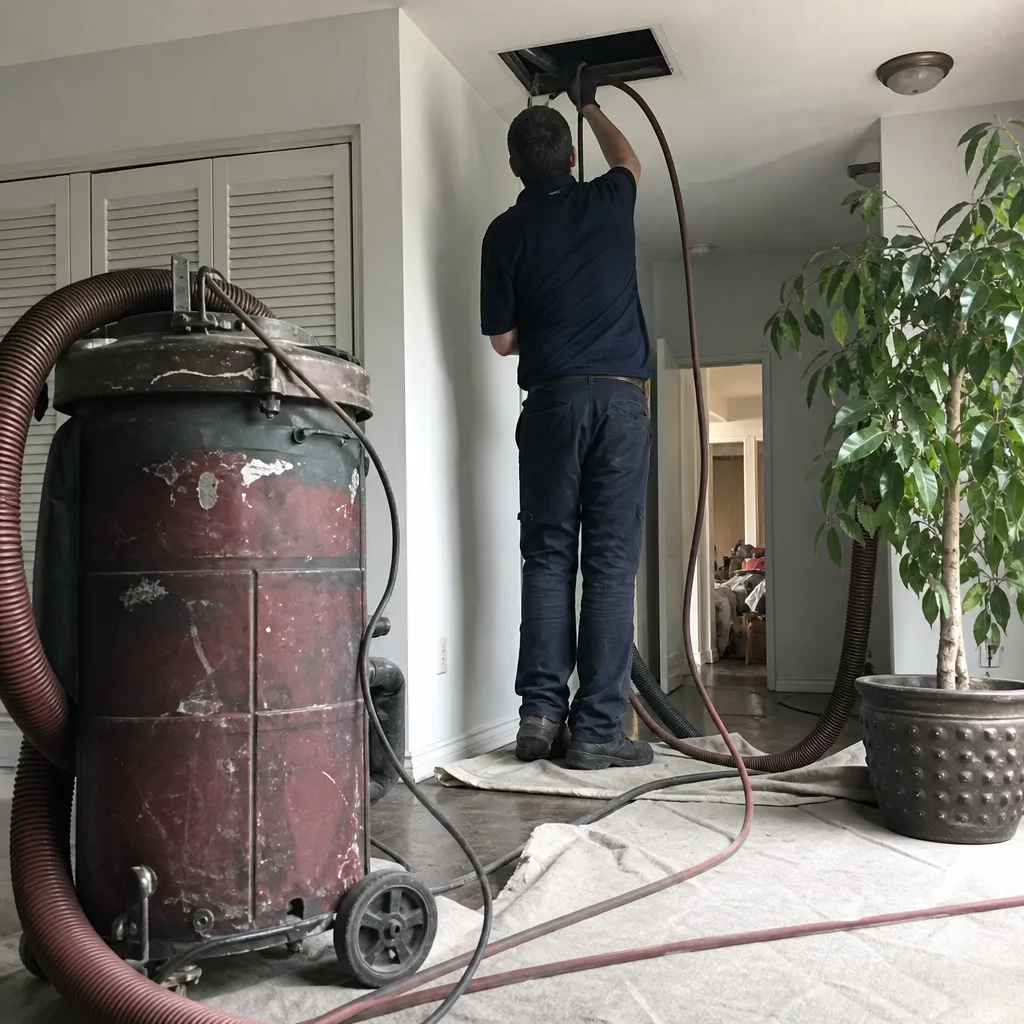 Before
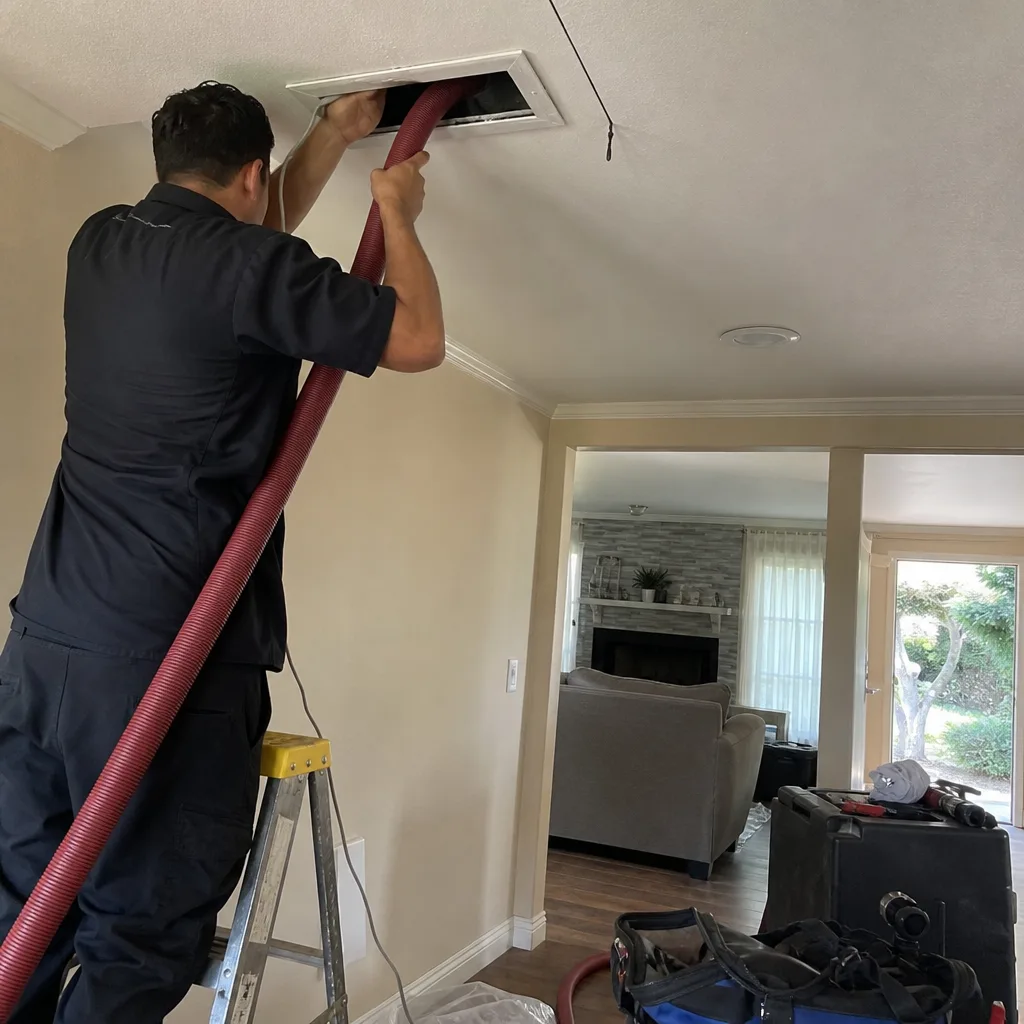 After
After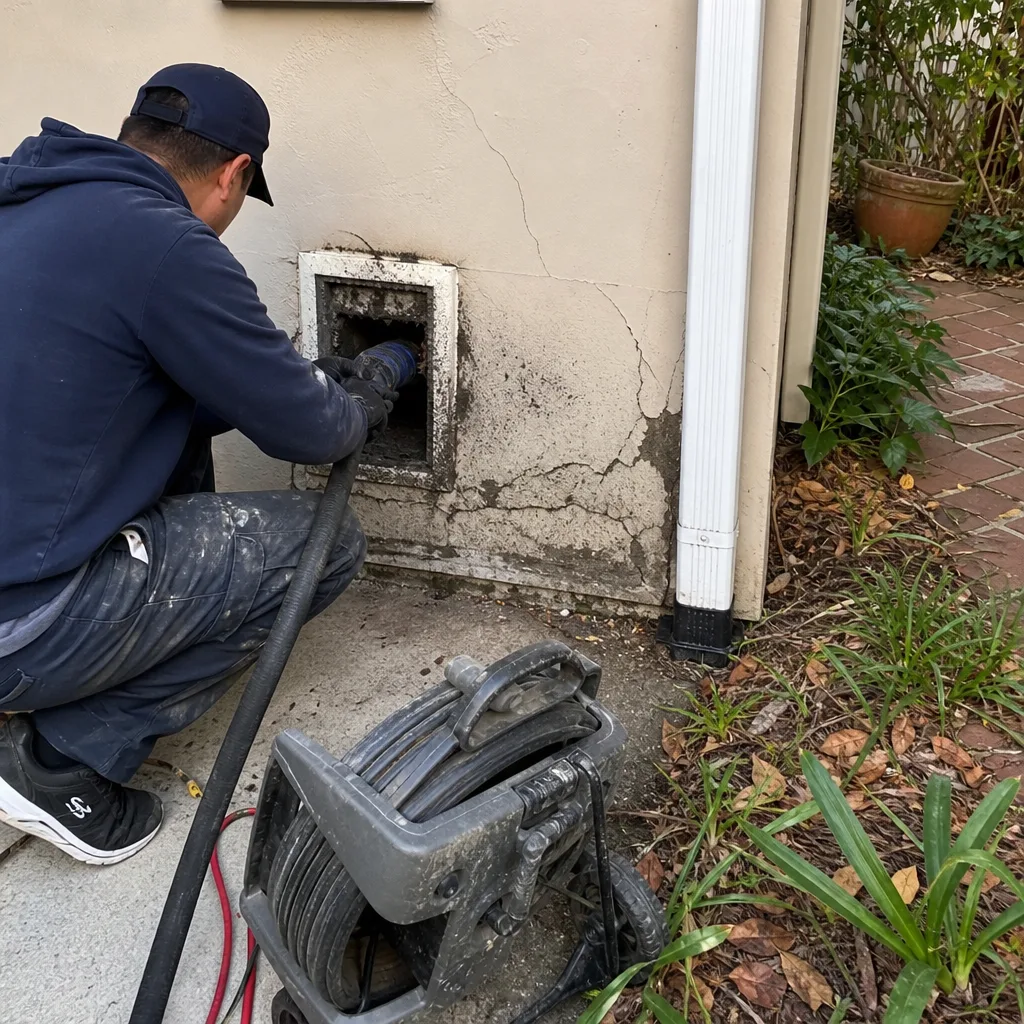 Before
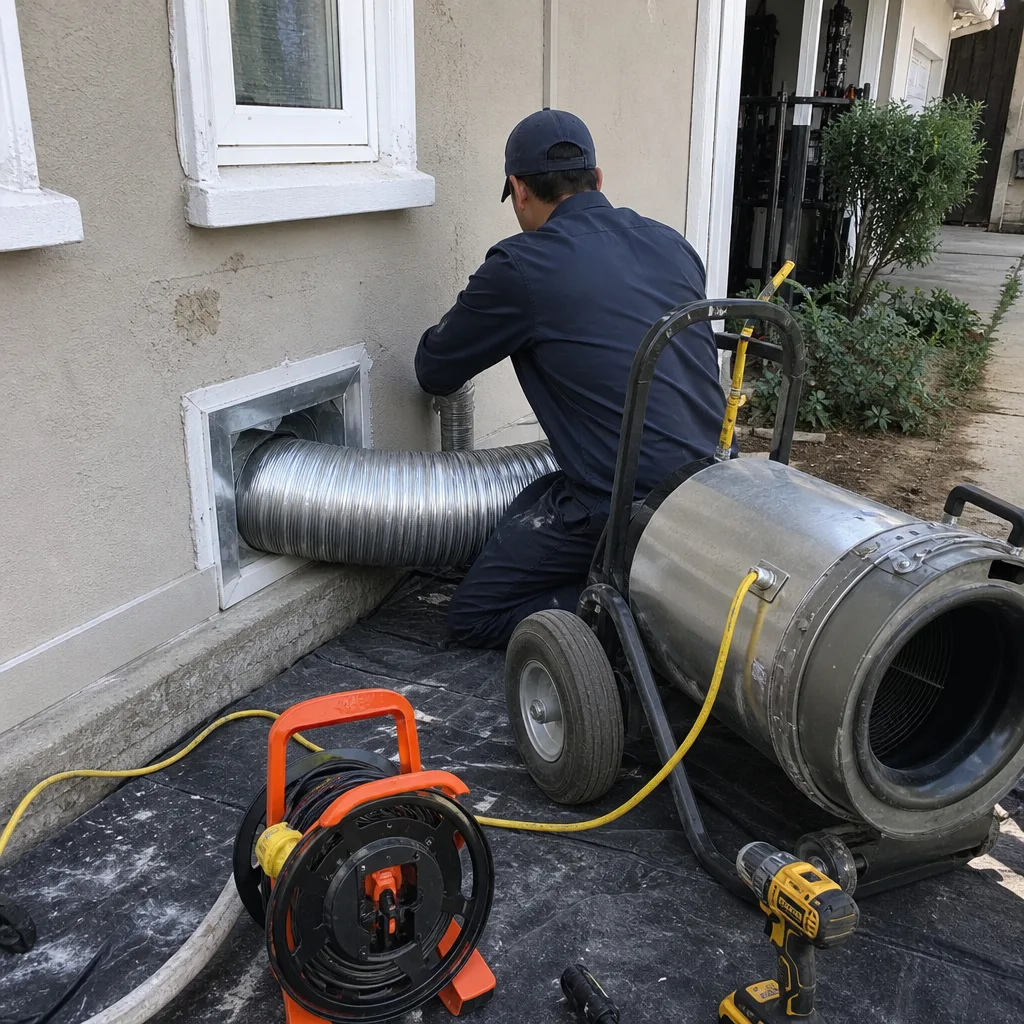 After
After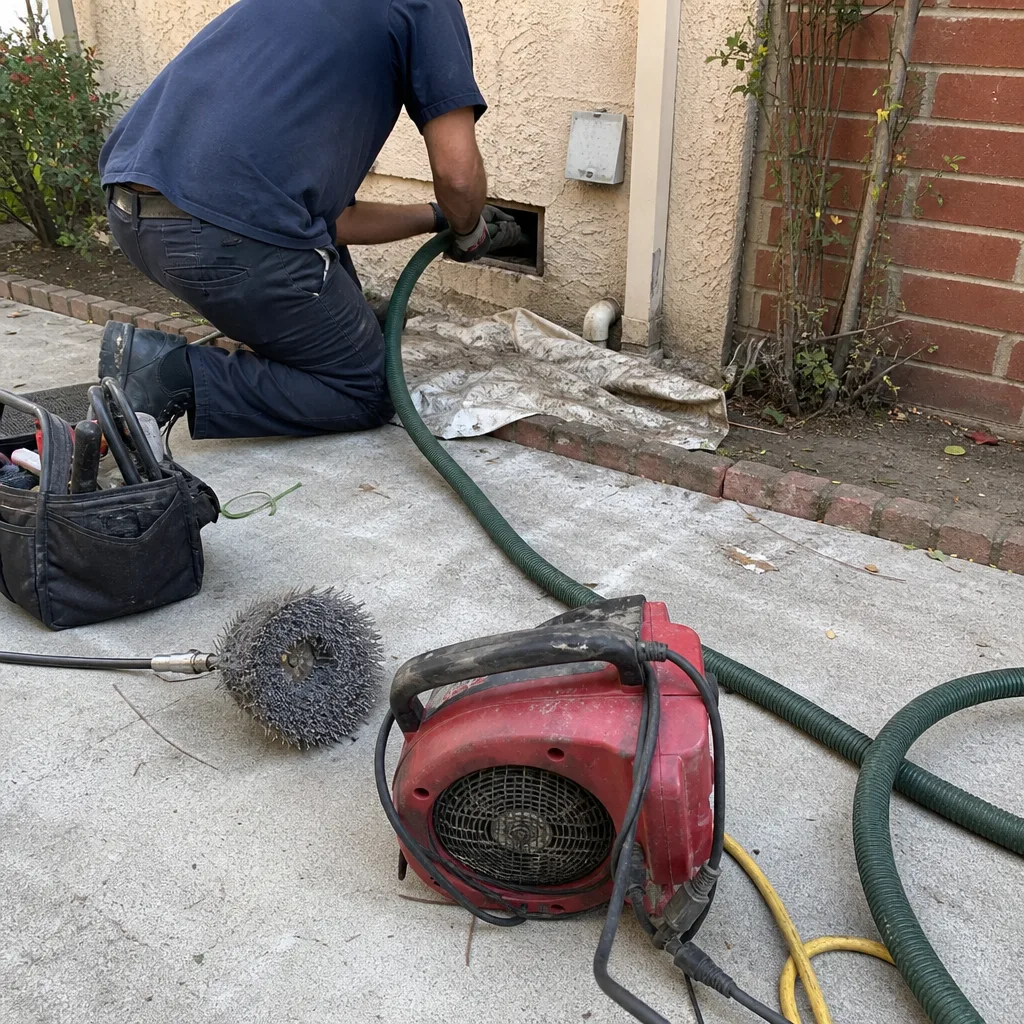 Before
 After
AfterWhen to Call a Professional
Call when you have evidence you can’t resolve yourself: musty odor that persists after changing the filter, rodent droppings or odor from vents, dark staining on a register that isn’t typical dust, a sudden and unexplained jump in your cooling bill during a month when the weather didn’t change much, or one or two rooms that never reach the set temperature no matter what you try. If you’ve already changed the filter, checked the visible boots, and the problem remains, you need eyes inside the ducts. That’s what we do. Hollis Air Duct Pasadena offers free estimates in Pasadena – call (626) 469-5477 and we’ll schedule a diagnostic visit with a written price before any work starts.
Frequently Asked Questions
Air duct cleaning in Pasadena typically costs between $300 and $500 for a standard single-system home, with larger homes or homes with multiple systems running higher. The price you’re quoted should be the price you pay – written down before any work starts. If a company quotes you $49 and then “finds” additional work once inside, you’re dealing with a bait-and-switch. Get the whole-system price in writing first, and ask for before and after photos so you can verify the work was done. Call (626) 469-5477 for an exact quote – estimates are free.
Most Pasadena homes benefit from air duct cleaning every 3 to 5 years, with shorter intervals if you have pets that shed heavily, you’ve completed a renovation, or someone in the home has allergies or respiratory conditions. Homes near the Arroyo or against the foothills tend to accumulate dust faster due to windborne particulates. If you can’t remember the last time the ducts were cleaned – and you’ve lived in the home more than five years – a camera inspection will tell you quickly whether cleaning is warranted or whether you can wait.
Cheaper duct cleaning quotes usually come from companies that either don’t actually clean the entire system or price low upfront and add charges at the door. A legitimate whole-system cleaning uses professional equipment – a rotary brush system or negative-air machine – and takes 2 to 4 hours for an average home. Anyone offering the same job in 45 minutes for $99 is not doing the same work. Ask what’s included, what equipment they’re using, and whether the price is fixed in writing before they arrive. The lowest quote often ends up being the most expensive after the tech finds “extras.”
Demand before-and-after photos or video of the duct interiors, not just a receipt. Any legitimate duct cleaning company runs a camera through the system before work begins and after it’s finished. If a company can’t show you visual proof of what they cleaned, you have no way to verify the work – and no way to hold them accountable. The Hollis Air Duct Pasadena home standard includes this verification on every job, and you keep the evidence. We won’t leave a site until we’ve shown you what was inside your ducts and what they look like after.
Dirty ducts can absolutely make allergies worse, and Pasadena’s year-round growing season means pollen is present for much of the year. The pollen, dust, and pet dander that accumulate in ductwork get redistributed through the living space every time the blower runs. If you’ve noticed that symptoms spike when the HVAC is running but calm down when it’s off, that’s a signal your ducts are feeding allergens into the air. Cleaning removes the reservoir. A quality furnace filter of MERV 8 or higher – brands like Honeywell or Guardsman – helps slow future buildup between cleanings.
Air duct cleaning removes accumulated dust, debris, and contaminants from the interior of the ductwork. Duct sealing closes leaks at the joints where conditioned air escapes into the attic or crawl space. They’re different services that often go together. Cleaning clears the blockage; sealing stops the leakage. If you have both – restricted airflow and rooms that never reach temperature – doing one without the other leaves half the problem in place. Our Duct Sealing in Pasadena service uses mastic – a permanent sealant applied at the joints – not tape, which dries out and fails in attic heat. Together, cleaning plus sealing restores both airflow and efficiency.
The Bottom Line
Your ducts tell you when something’s wrong – through odors, airflow changes, temperature imbalances, and your utility bill. The skill is in reading the signals correctly. Normal dust at a register is Tuesday. Musty air that kicks up with the blower is not. A slightly higher summer bill is expected. A 15% jump you can’t explain is not. The difference between a minor cleaning and an expensive repair often comes down to how quickly you act on the warning signs. In Pasadena, where summer heat and older housing stock put real pressure on duct systems, paying attention to these signals is routine maintenance, not optional. If you’ve noticed any of the signs in this guide – or if you simply want to know what’s actually inside your ducts – call (626) 469-5477 for a free estimate. We’ll put a price in writing before we touch anything, and we’ll show you the before and after.
Written by Roy Castellanos, Owner at Hollis Air Duct Pasadena, serving Pasadena since 2004.