
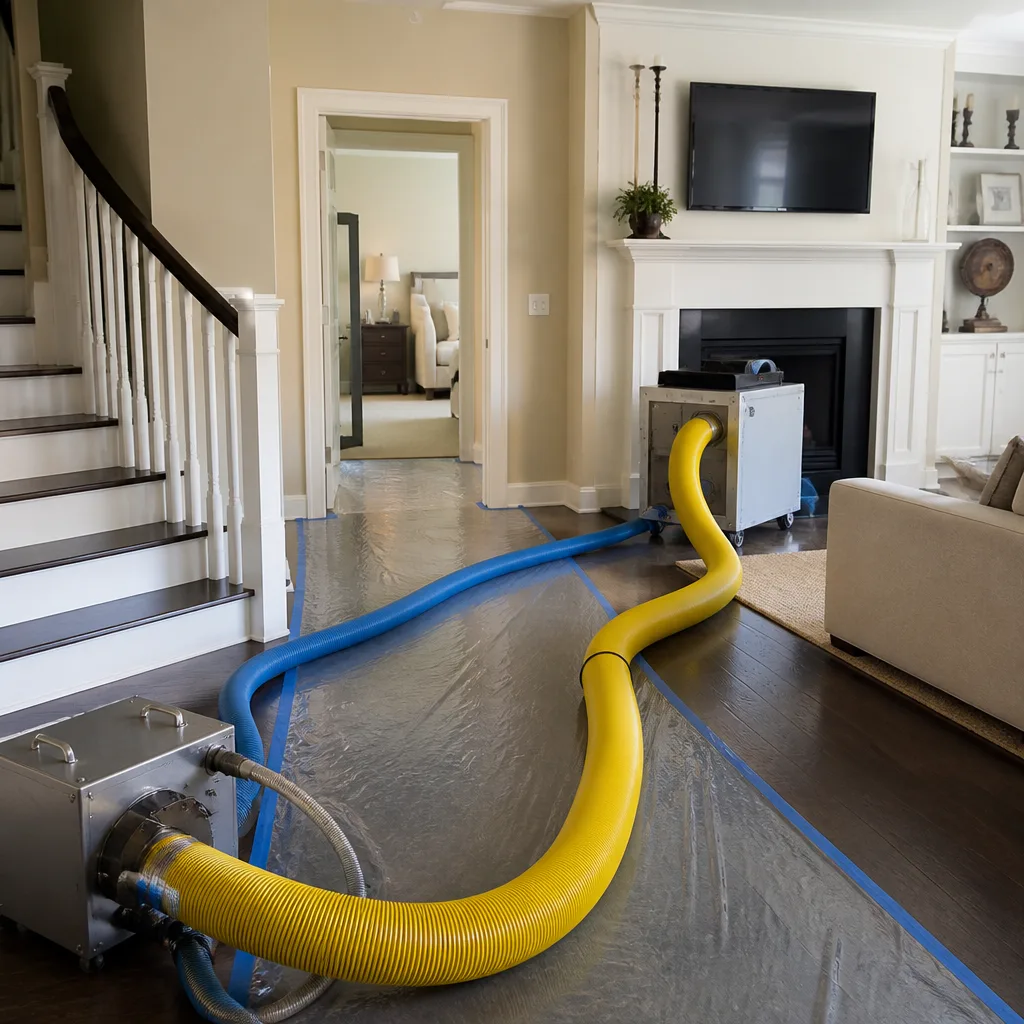
 Whole-home duct cleaning
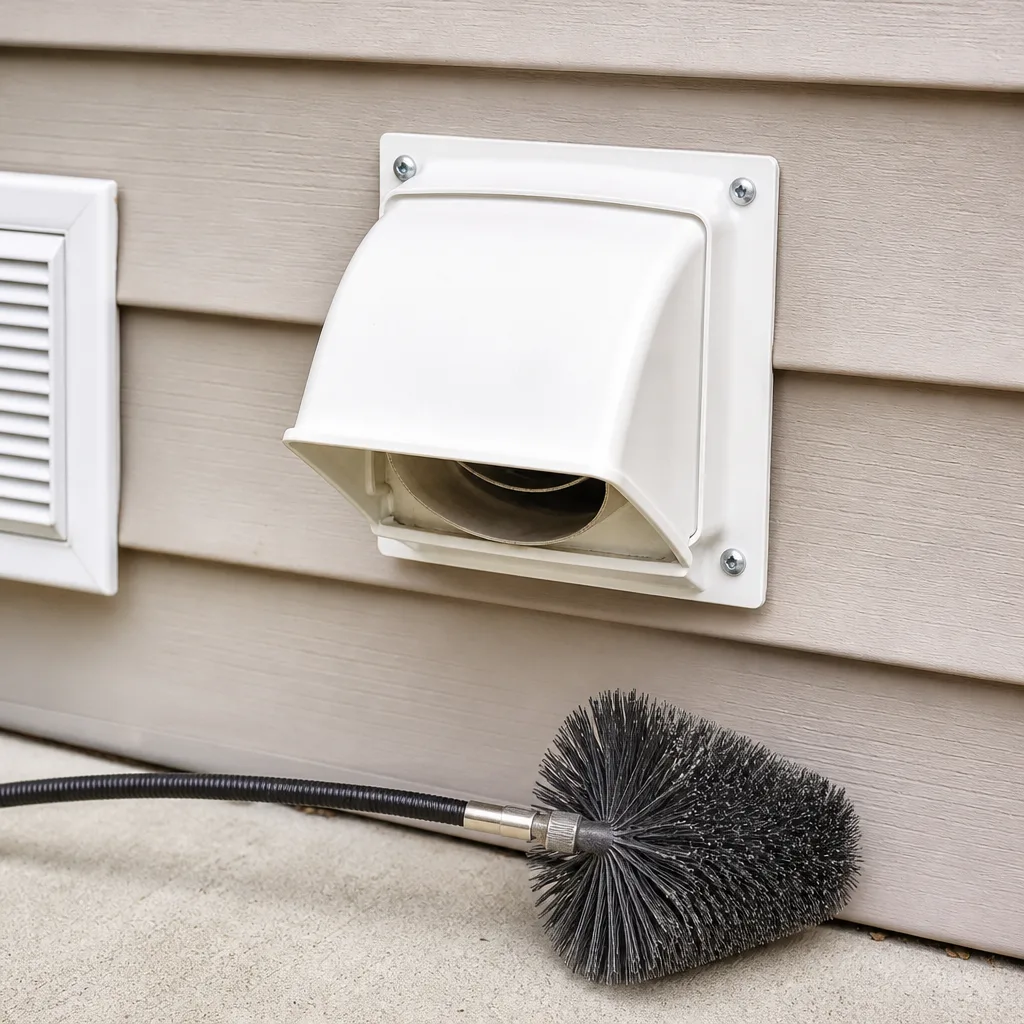 Dryer vent cleaning
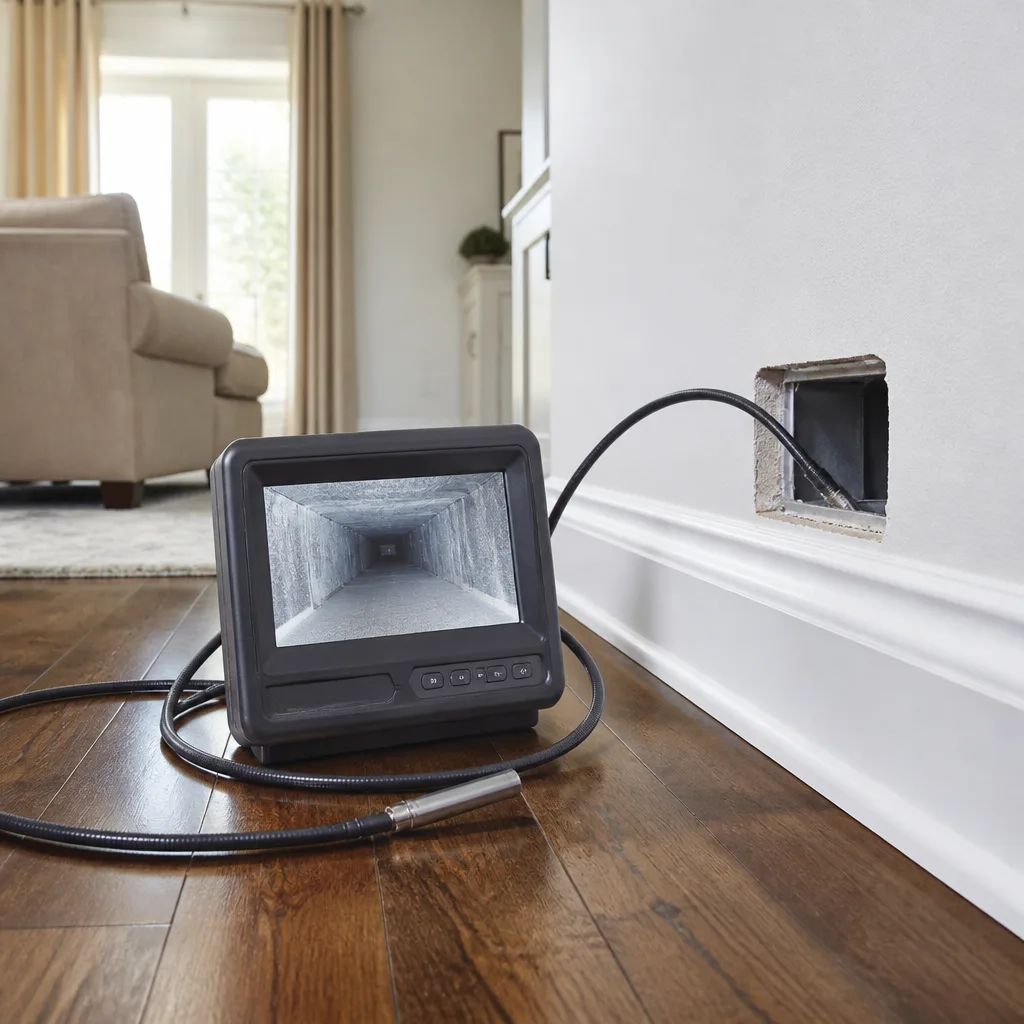 Camera inspection
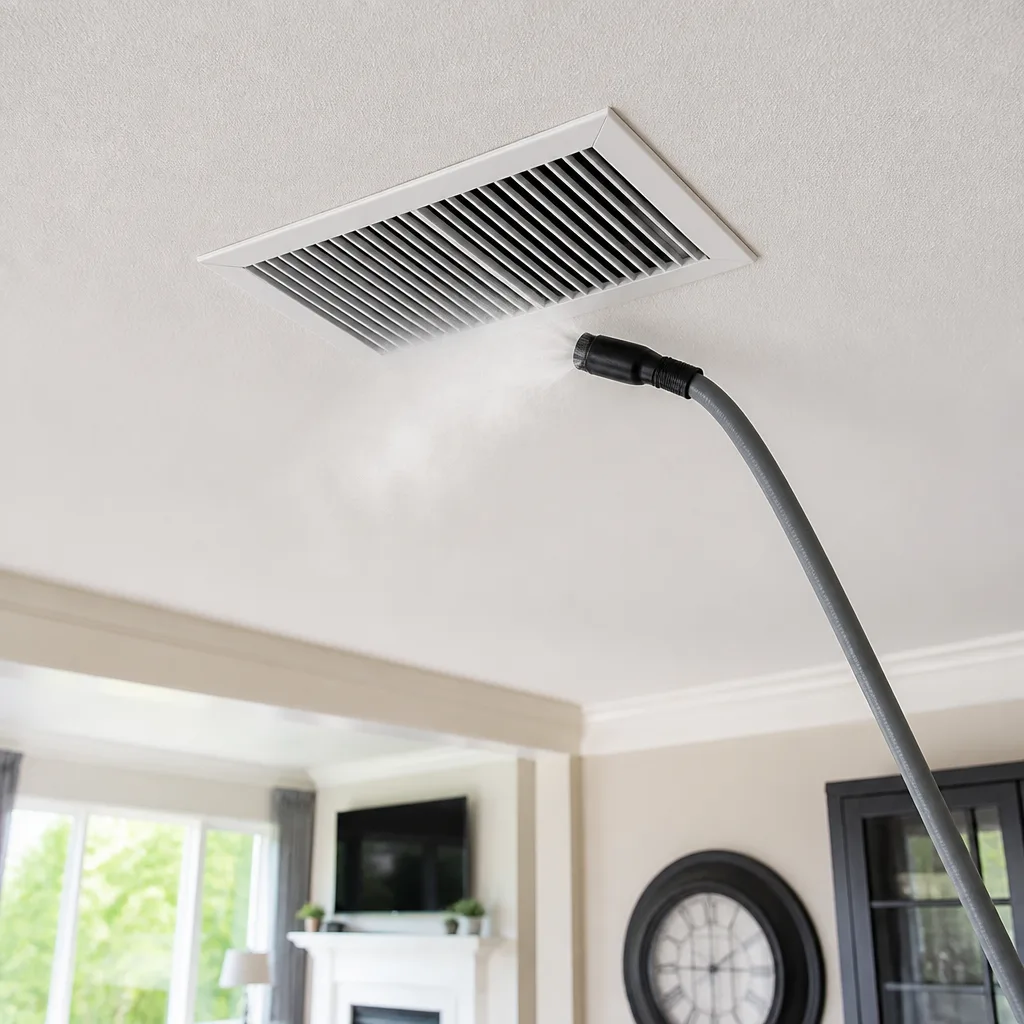 Sanitizing & deodorizing
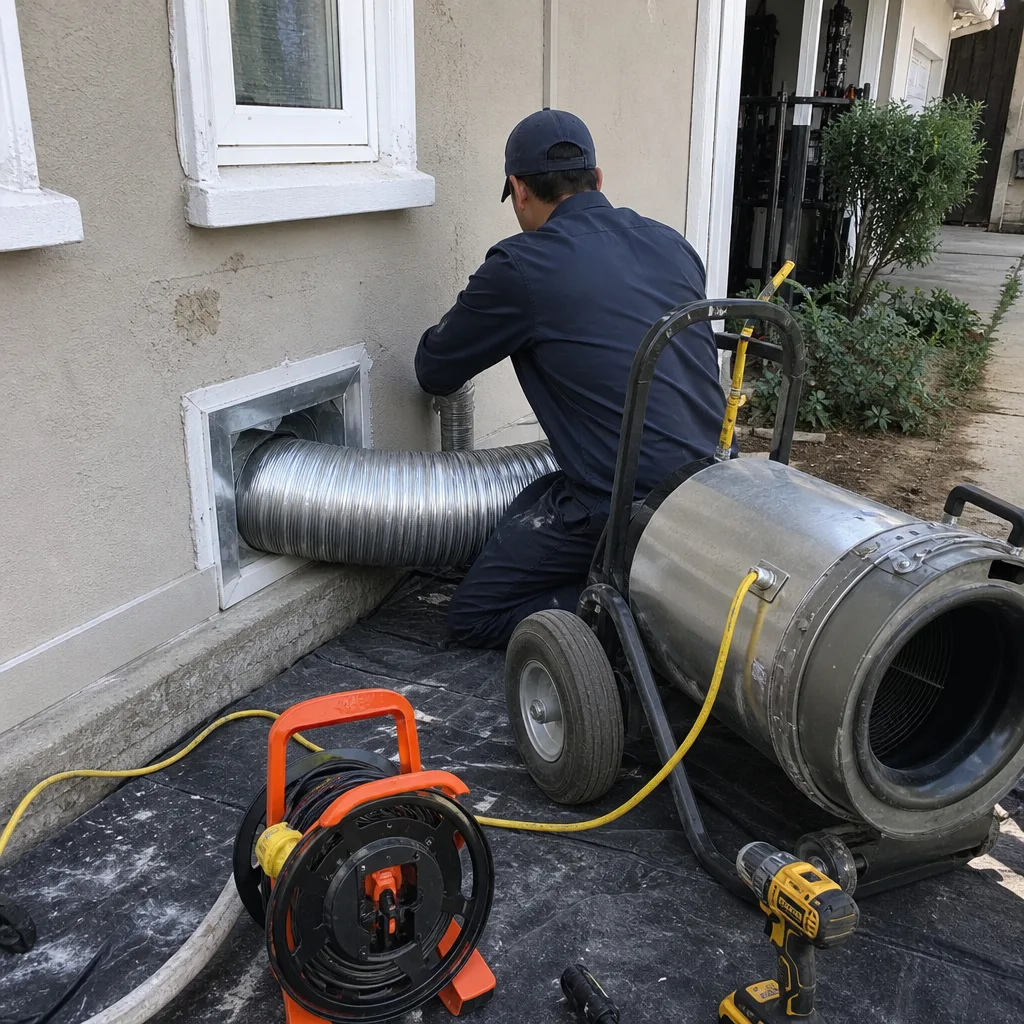
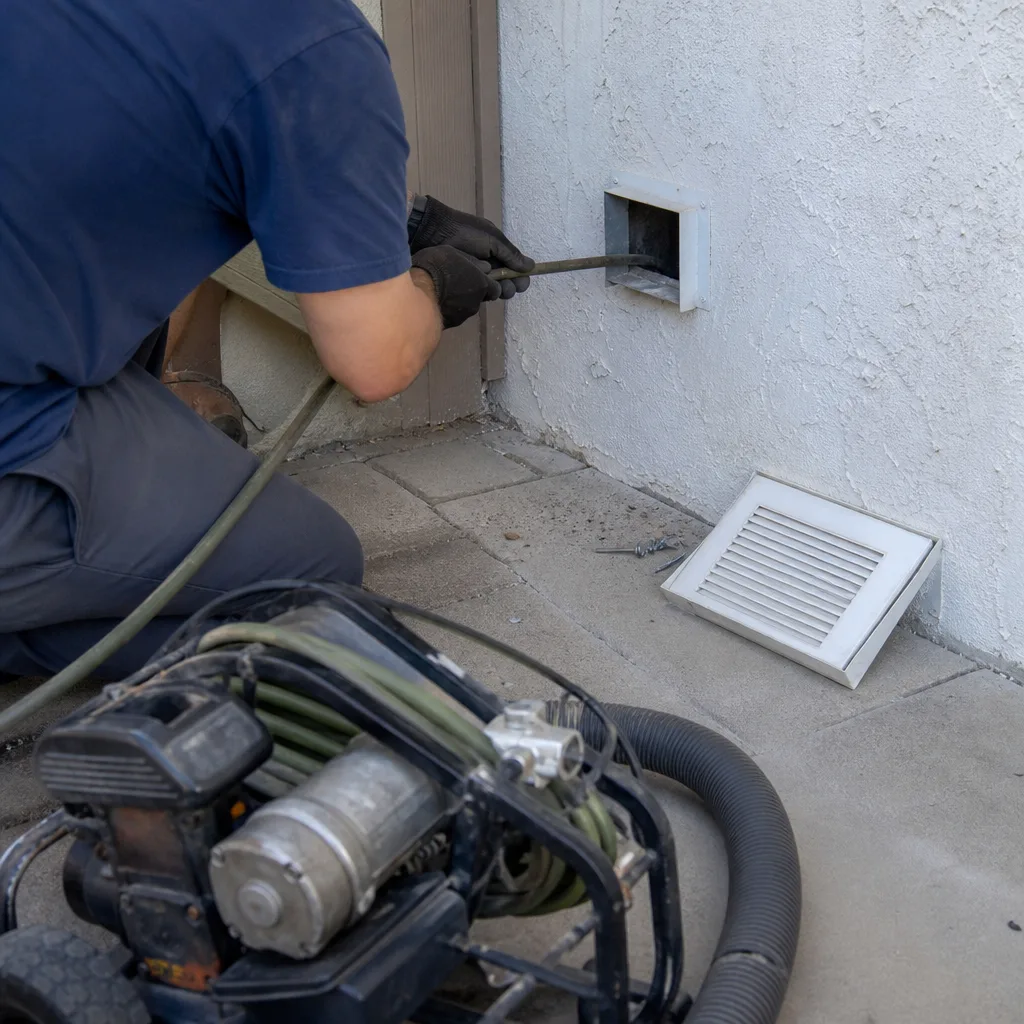
Whole-system duct and dryer vent check with before-and-after photos - you see exactly what came out of your vents
That "$99 whole-house special" is a bait ad - the real number appears once they are in your hallway, or the "clean" is a shop-vac at the register. We photograph the inside of your ducts before and after instead.
Honeywell Duct Sealing & Repair: The Pasadena Owner’s Guide
When a Honeywell duct system starts leaking, the fix typically costs between $425 and $1,150 installed in Pasadena, depending on how much of the ductwork needs sealing and whether the zone dampers are involved. We stock Honeywell-compatible mastic, tapes, and sealant kits on the truck, so most repairs happen in a single visit. You’ll usually discover the problem the same way: a room that never quite reaches temperature, a utility bill that climbed for no reason, or dust showing up on surfaces faster than it used to.
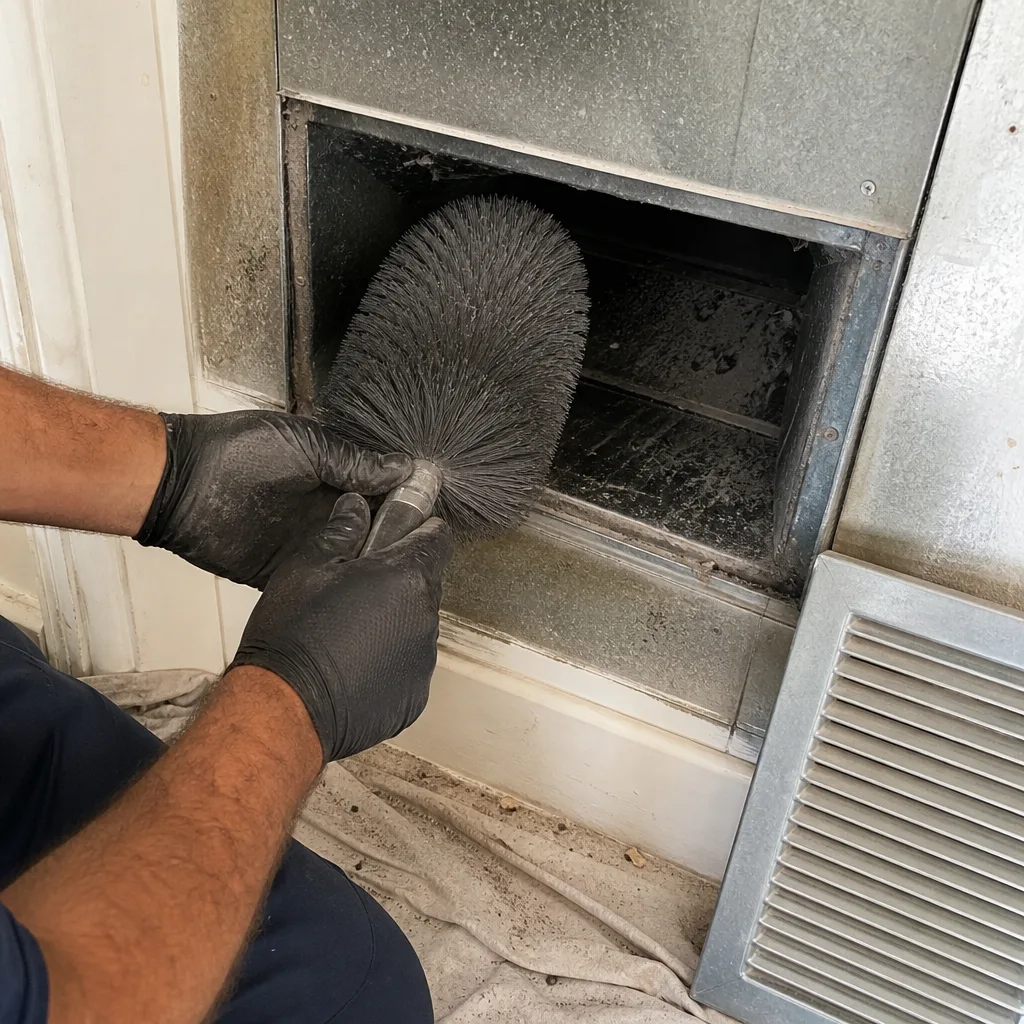
Honeywell builds residential zone-control systems and the duct components that pair with them. When those seals fail, conditioned air leaks into unconditioned spaces before it ever reaches your bedrooms or living room. Roy Castellanos and our crew have been opening up duct systems in Pasadena homes for over a decade, and we’ve seen plenty of Honeywell installations near the Rose Bowl that haven’t been touched since they were first installed. The duct work doesn’t lie, and neither do we. If the seal is gone, we’ll show you exactly where, before we quote a dollar.
Which Honeywell Models This Applies To
Honeywell’s duct sealing and repair work covers a few distinct product lines, and the part you need depends on which one you have. The most common in Pasadena homes are the Honeywell TrueZONE panels (HZ221, HZ311, HZ322, HZ432), which control the round or rectangular zone dampers throughout the duct system. Those dampers rely on a flexible seal around the blade edge, and that’s what fails first, not the motor or the panel. The second category is the Honeywell whole-home bypass damper, which sits between supply and return and uses a weighted or spring-loaded seal that degrades.
To identify what you need, look at the damper’s metal collar. Genuine Honeywell dampers carry a printed label with the model prefix (like ZD or MARD) and the diameter, in inches, stamped right on it. That number matters. A 10-inch round damper seal is not interchangeable with a 12-inch, and we’ve seen homeowners buy the wrong one online and end up paying twice. The OEM-versus-aftermarket decision depends on the part: for mastic and sealing tape, quality aftermarket products match Honeywell’s spec. For damper internals, we recommend genuine Honeywell parts, because the tolerances are tighter and the warranty actually means something.
Styles & brands we work with
Signs Your Honeywell Duct Sealing & Repair Is Failing
- A room that never reaches temperature. If one bedroom in your Pasadena home is always five degrees off from the rest, you likely have air escaping through a failed seal before the run even reaches that room. The zone damper for that area may not be closing fully, letting conditioned air bypass.
- Dust accumulating quickly on furniture. Leaking return ducts pull unfiltered air from attics and crawlspaces. If you dust on Saturday and it’s back by Wednesday, the return side of your Honeywell system probably has a seal failure pulling in attic air.
- A utility bill that rose 20-30% without a rate change. Sealing leaks is often the single best dollar-for-dollar efficiency gain in an older Pasadena home. Leaks mean your HVAC system runs longer to hit the thermostat setpoint, and that shows up on the bill within one billing cycle.
- Whistling or hissing near duct runs when the system kicks on. Air pushing through a narrow gap makes noise, plain and simple. If you hear it near the Honeywell damper connections, the seal has likely shrunk or pulled away from the collar.
- Uneven airflow between floors. A Pasadena two-story with strong upstairs airflow but weak downstairs delivery is a classic sign of leakage in the main trunk or at the plenum connection, often where the Honeywell dampers tie in.
See the difference
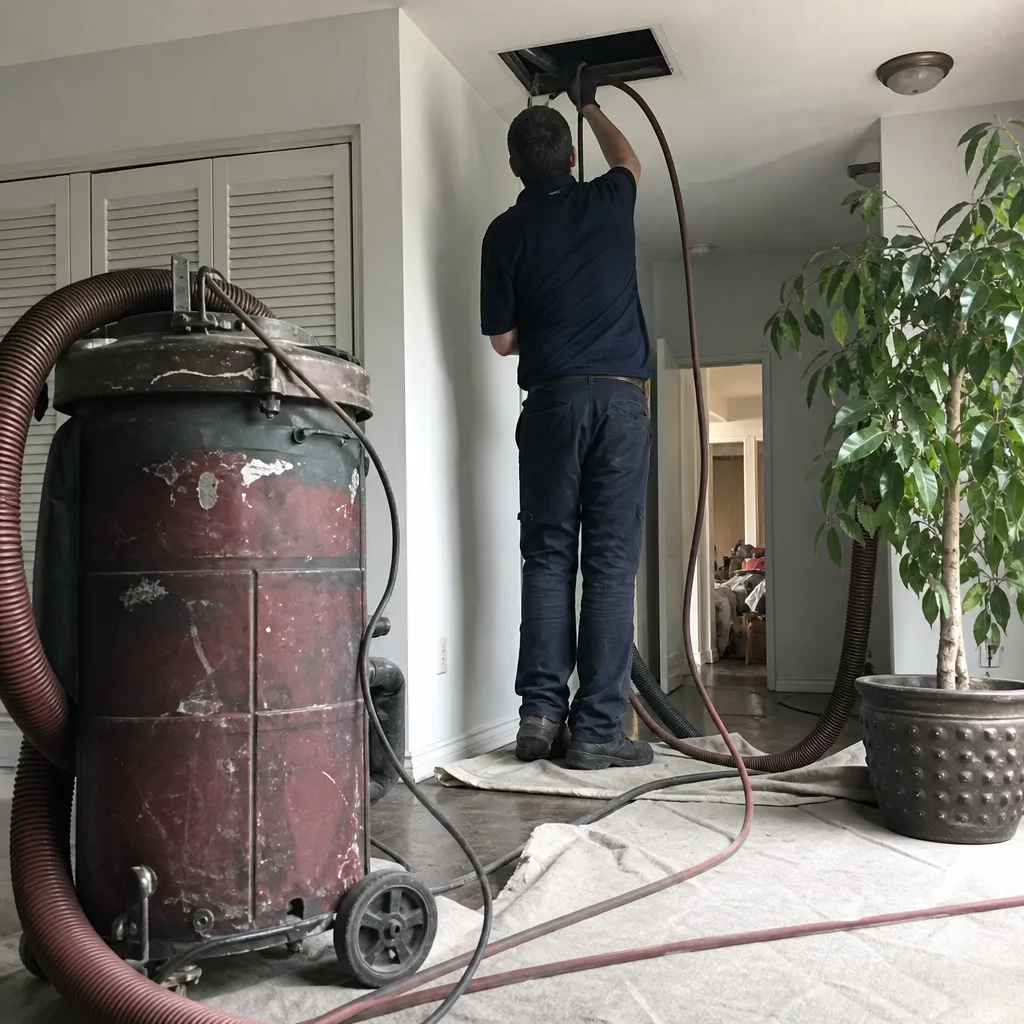 Before
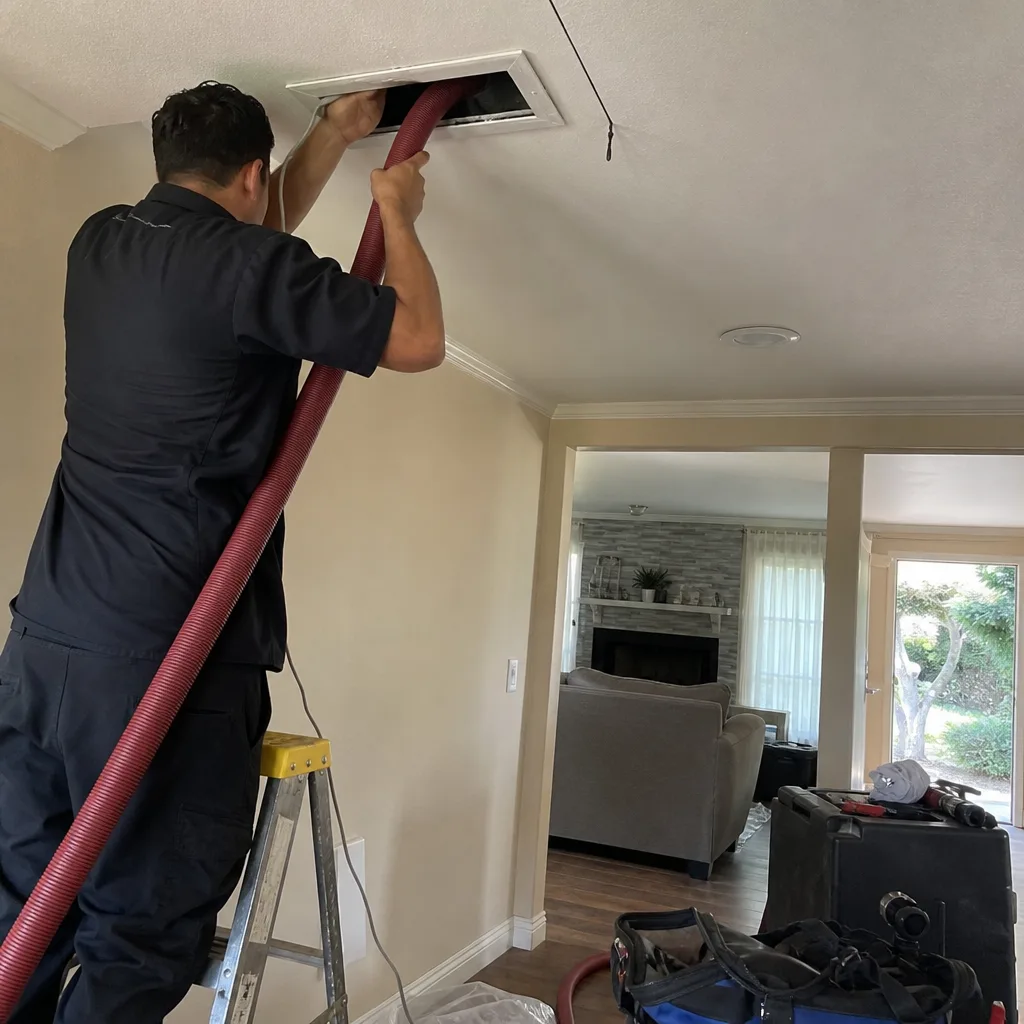 After
After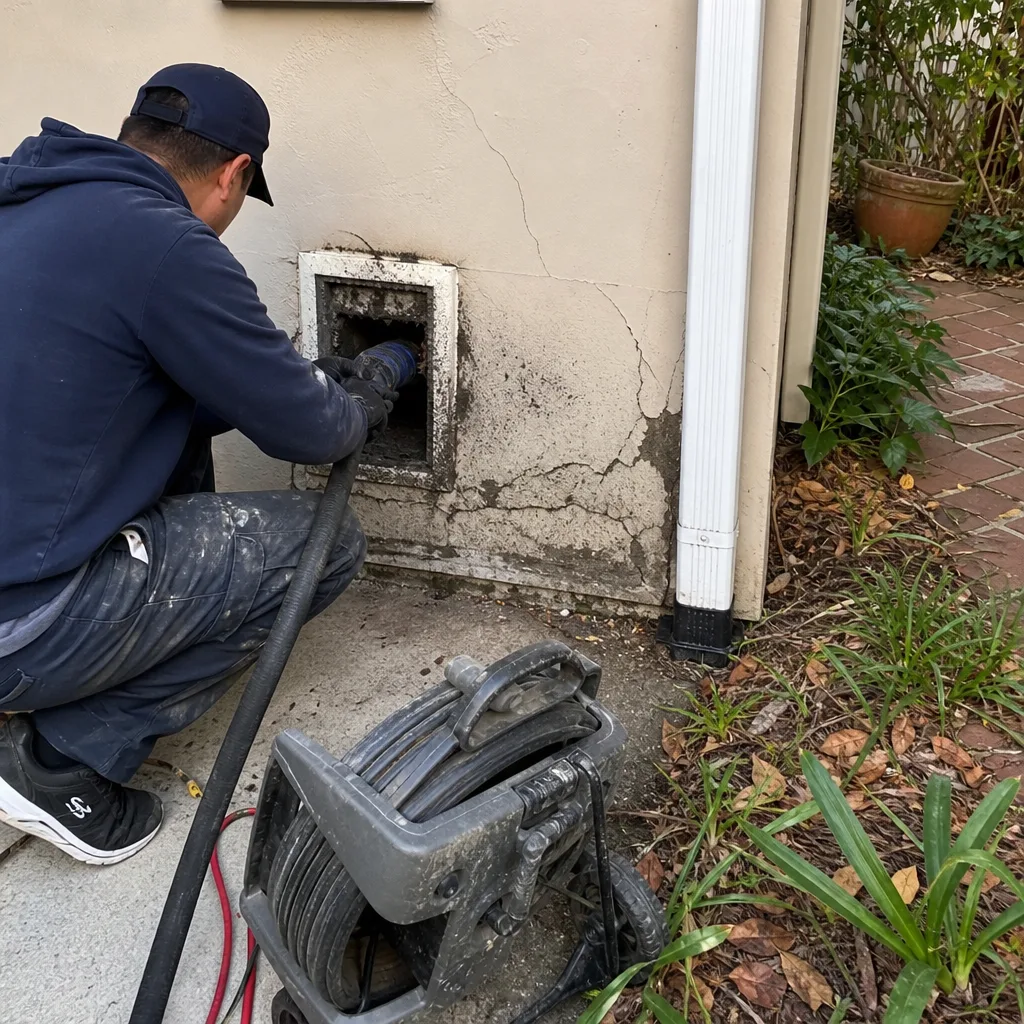 Before
 After
After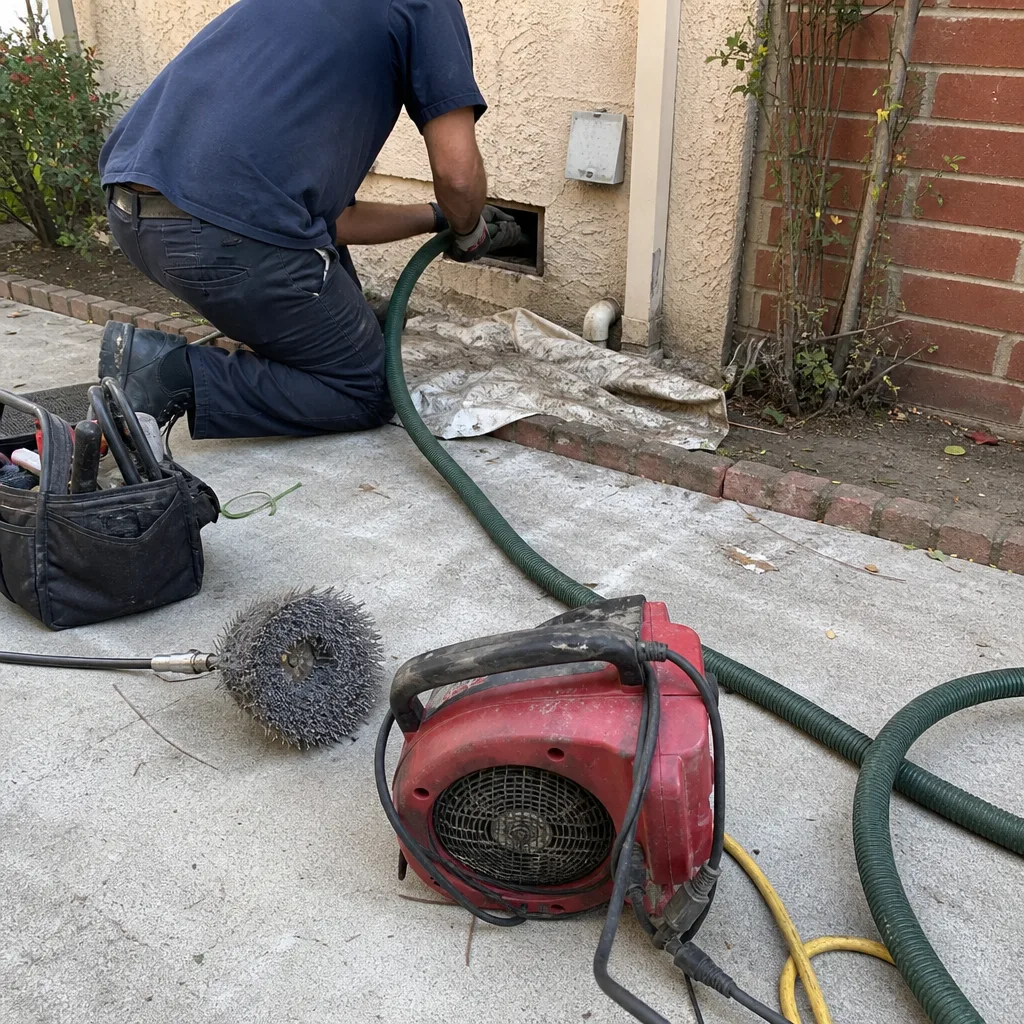 Before
 After
AfterReplacement Cost & What’s Included
In Pasadena, a typical Honeywell duct sealing and repair job runs between $425 and $1,150 installed. A straightforward reseal of one or two accessible damper connections falls near the bottom of that range. A whole-system seal with multiple zone dampers, bypass repair, and mastic applied to all accessible joints falls near the top. What drives the difference is access: attic ductwork in a hot Pasadena summer takes longer to work in safely than a basement crawlspace, and that time is part of the price.
Every Hollis Air Duct Pasadena repair includes the parts, the labor, and a written price before we begin. There’s no per-vent pricing and no estimate that moves once the van is in your driveway. The work is covered by our 365-Day Done Right Promise in writing: if the seal fails within a year, we come back and make it right at no charge, including a free second visit. You’ll know the exact dollar figure before any tools come out.
DIY or Call Us?
Some things are worth checking yourself. You can look at visible duct joints in your garage or mechanical closet and see obvious gaps or peeling tape. You can check your Honeywell zone panel for error lights and note which zones aren’t responding. What you should not do is climb into a tight attic with mastic and fiberglass mesh tape and start sealing joints you can’t see properly. Working in a Pasadena attic in summer means surface temperatures well over 120 degrees, and sealing ducts while wedged between trusses is how people get hurt.
The bigger risk is sealing the wrong thing. If you seal a bypass damper shut or misjudge which joint is leaking, you’ve made your system work harder, not smarter. Our technicians open the system, measure the static pressure before and after, and seal only what actually needs sealing. If you want to know what you’re dealing with, call (626) 469-5477 and we’ll walk you through what we’d look for.
FAQs
In Pasadena’s dry, hot climate, manufactured duct seals typically last between 10 and 15 years before the material shrinks, cracks, or pulls away from the connection. Homes near the foothills, where temperature swings are wider, tend to see failures on the earlier end of that range. If your system was installed when the house was built and hasn’t been touched since, it’s due. Call (626) 469-5477 for an on-site evaluation.
It depends on what failed. If the seal around the damper blade has degraded but the motor and shaft are in good shape, we can often replace the seal material and restore proper function. If the damper housing is warped or the shaft is binding, replacement is the honest fix and we’ll tell you that straight. Roy Castellanos doesn’t sell parts you don’t need.
A single-zone repair with one or two damper connections usually takes 2 to 3 hours from arrival to cleanup. A whole-system seal across multiple zones and a bypass damper can take a full day depending on attic access and how the original install was run. We’ll give you a time window before we start, and we arrive inside it.
Yes, our trucks carry Honeywell-compatible mastic, mesh tape, butyl sealant, and common damper seal kits for the TrueZONE line. We also stock parts for Lennox, Trane, and Carrier systems, since plenty of Pasadena homes mix equipment brands. If you have an unusual damper size, we can have the exact part in hand within a day or two.
Written by Roy Castellanos, Owner, Hollis Air Duct Pasadena at Hollis Air Duct Pasadena, serving Pasadena and nearby areas.