
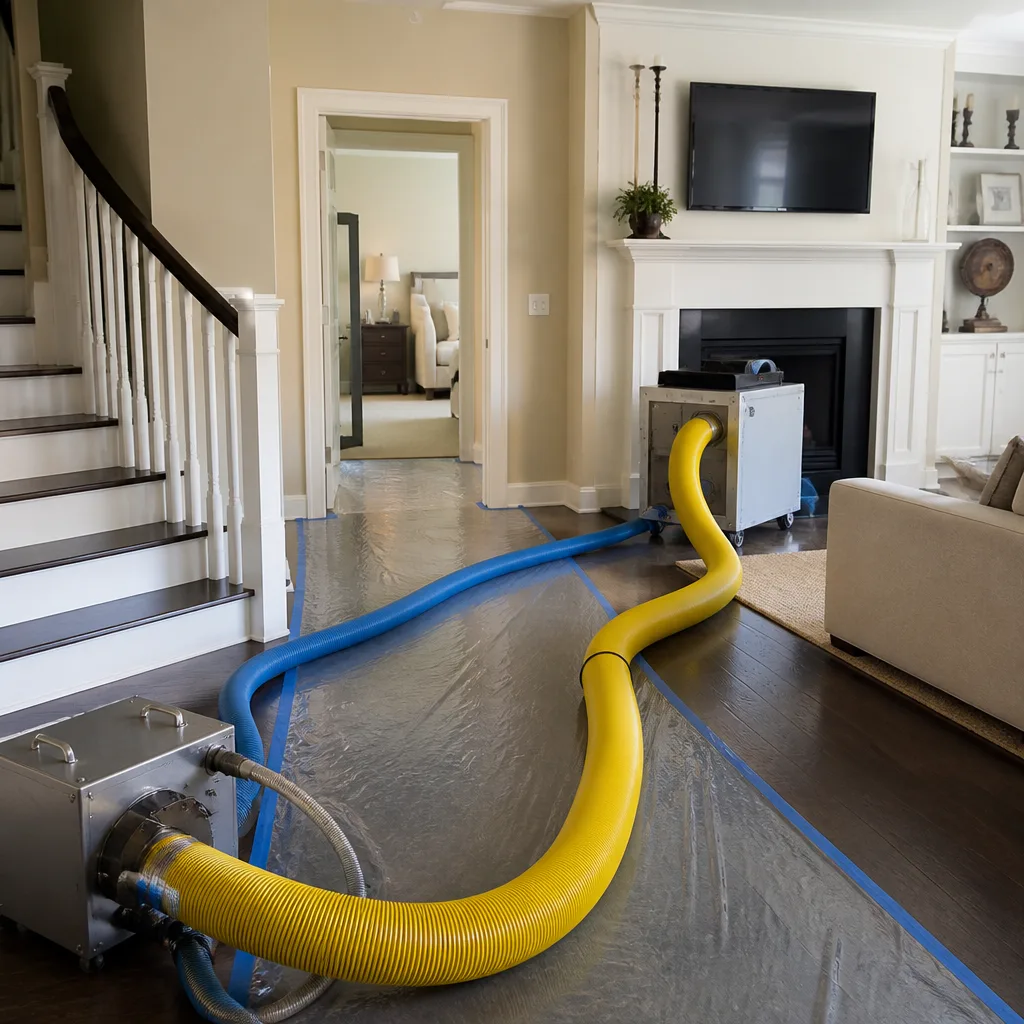
 Whole-home duct cleaning
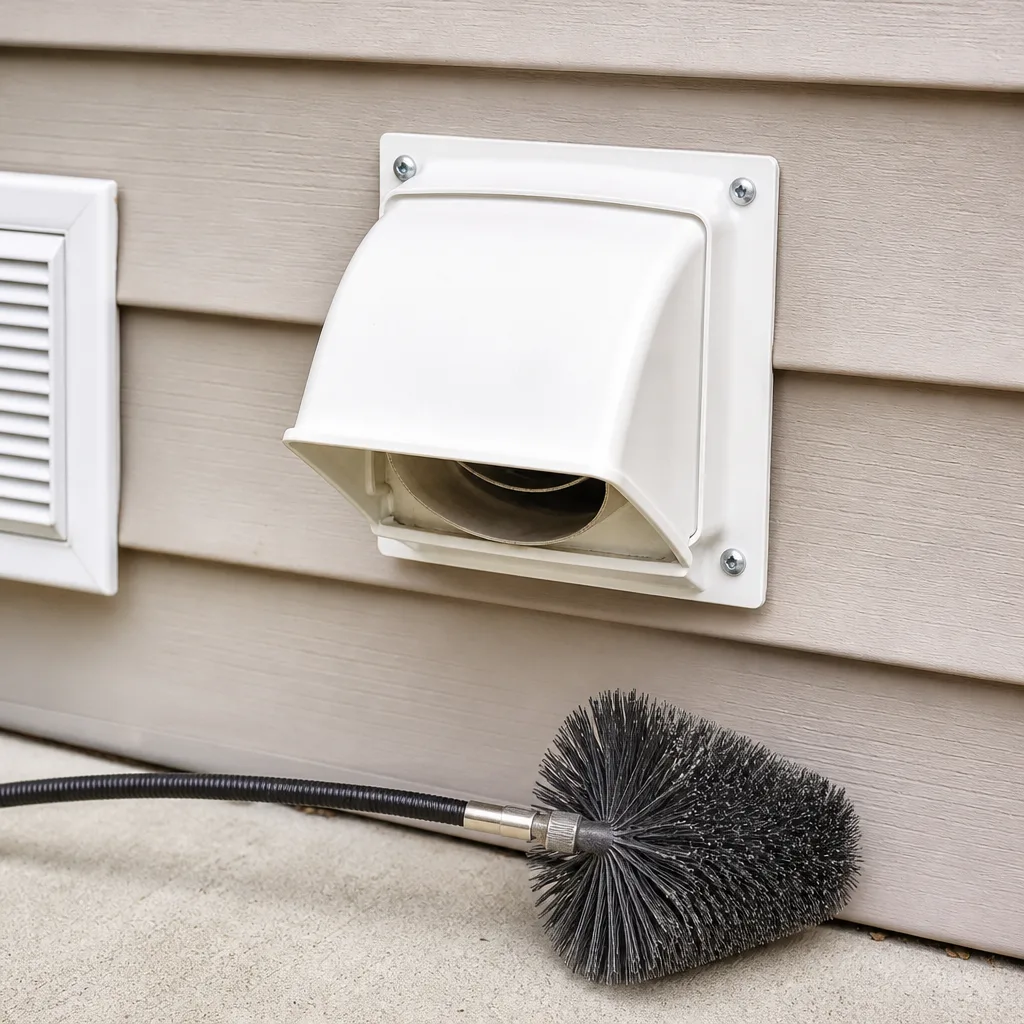 Dryer vent cleaning
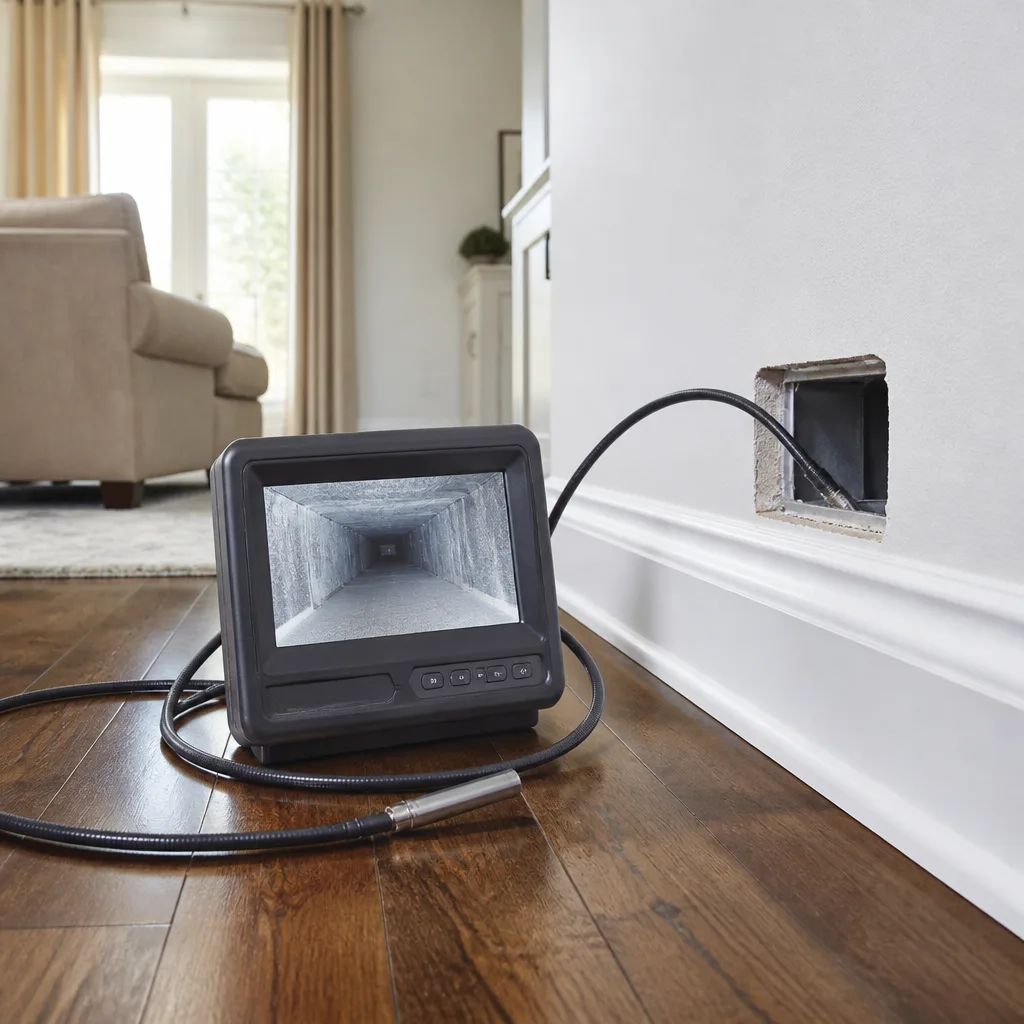 Camera inspection
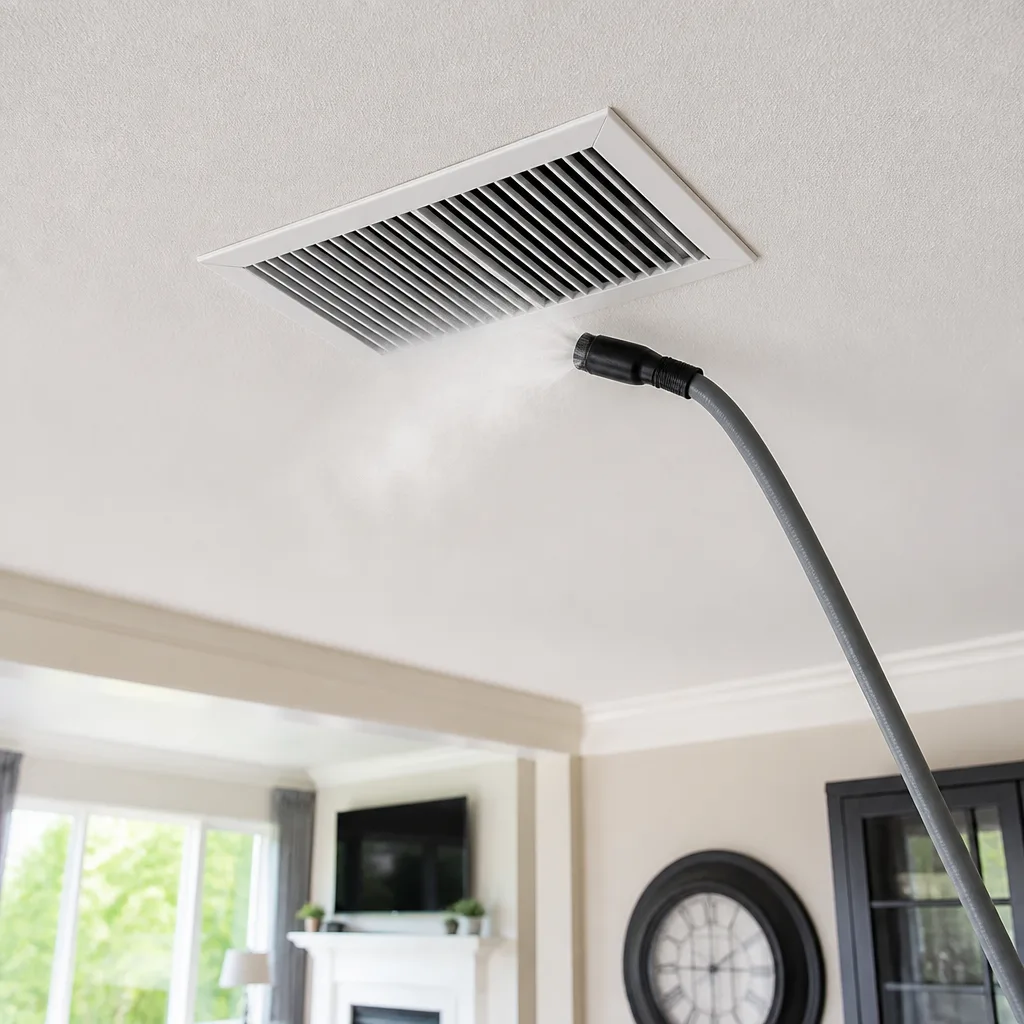 Sanitizing & deodorizing
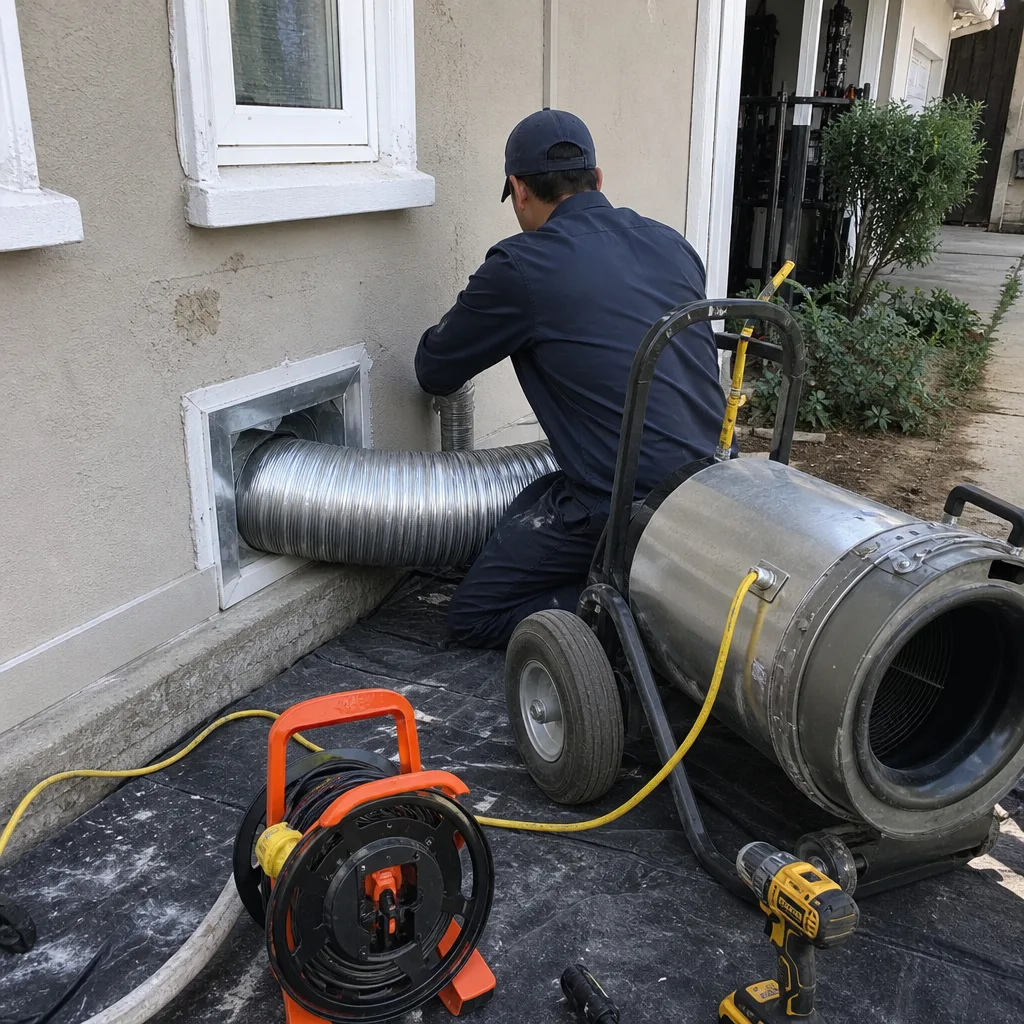
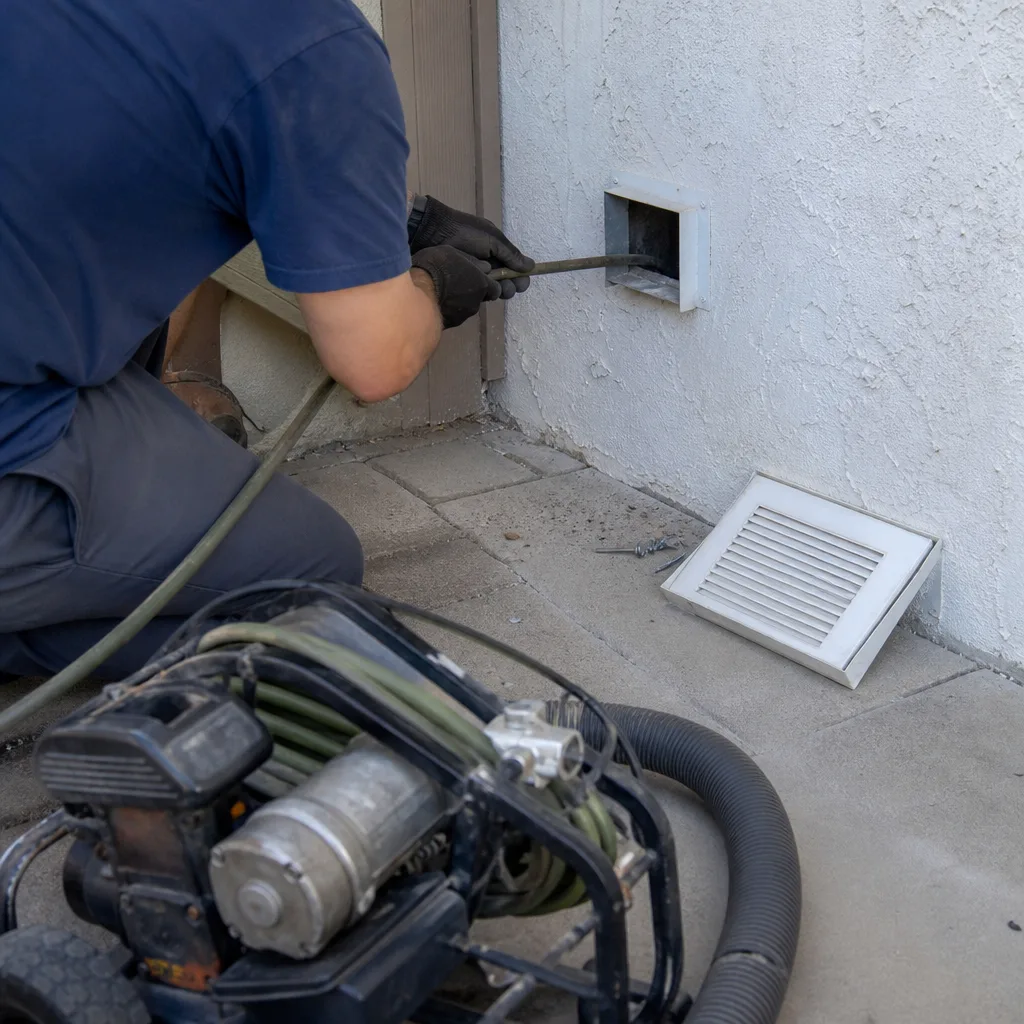
Whole-system duct and dryer vent check with before-and-after photos - you see exactly what came out of your vents
That "$99 whole-house special" is a bait ad - the real number appears once they are in your hallway, or the "clean" is a shop-vac at the register. We photograph the inside of your ducts before and after instead.
Nikro Vent Sanitizing: The Pasadena Owner’s Guide
If your Nikro negative-air machine has stopped fogging, lost pressure mid-job, or smells like burnt wiring near the sanitizer module, you need a replacement part matched to your specific unit. We stock Nikro-compatible vent sanitizing components for most residential-series models and install them across Pasadena and the San Gabriel Valley, with typical parts-and-labor ranging from $225 to $520 depending on the part and your machine’s age. Most swaps are done in under two hours once we’re on site.
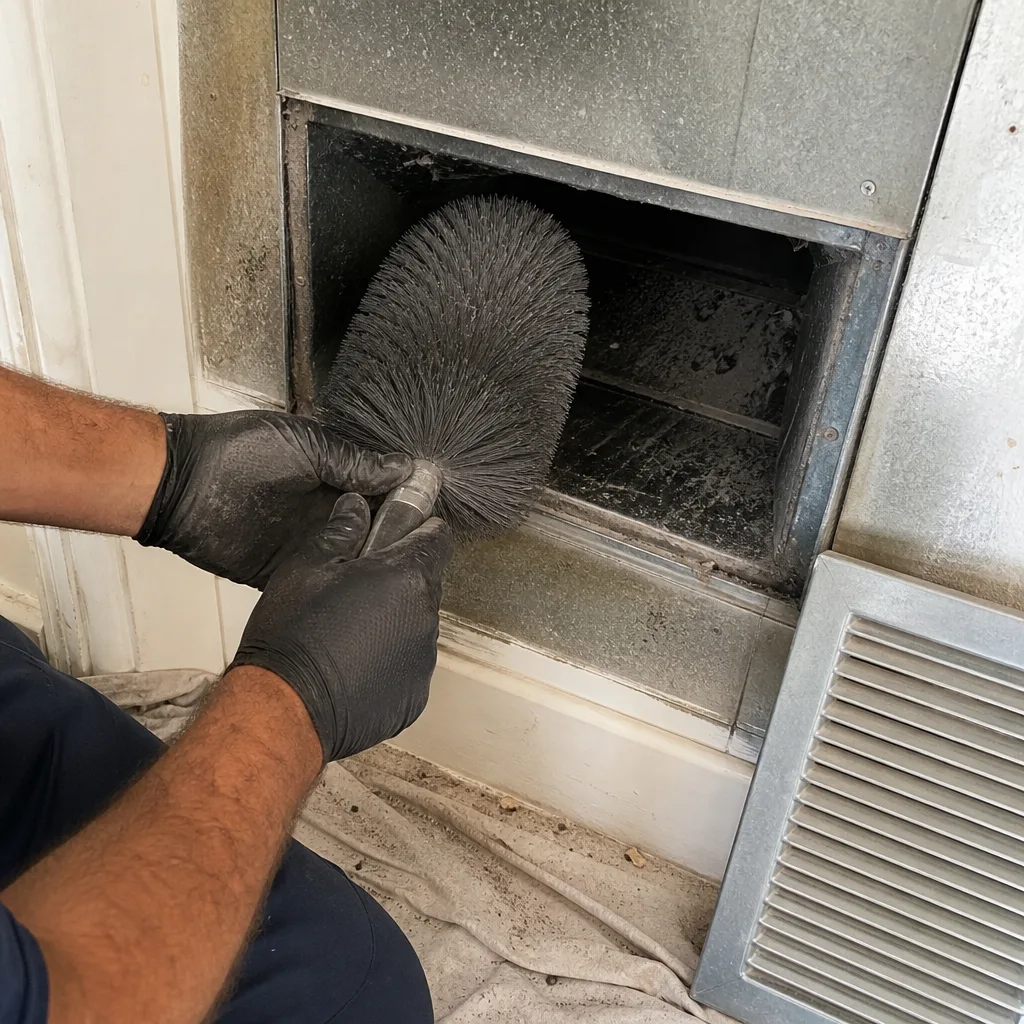
Here’s how it usually plays out. A homeowner notices the antimicrobial fog is thin or nonexistent, the pump runs but the tank doesn’t drain, or the machine trips a breaker during the sanitizing cycle. Sometimes it’s quieter than that: a faint acrid smell when the heating element fires, or condensation pooling under the unit. We’ve worked on plenty of Nikro machines in older Pasadena homes near the Rose Bowl that have been pushed hard for years without a service call. By the time that fogger element gives out, the homeowner has usually been fighting a losing battle with it for weeks.
Which Nikro Models This Applies To
Nikro builds negative-air machines and fogger systems in several residential and light-commercial lines. The vent sanitizing side of the machine covers the spray/fog module, the pump assembly, the heating element (on thermal-fog models), and the nozzle manifold. Compatibility gets specific fast. A part listed for the Nikro CIM-1500 fogger does not always drop into a CIM-2000 without an adapter, and pump gaskets differ between older green-label units and newer gray-label units. Check the model plate on the side of your machine before you order anything.
OEM Nikro parts are well made, but they’re also priced like OEM parts. In many cases, a quality aftermarket pump or nozzle assembly performs identically for $40 to $90 less. We tell owners straight: if it’s a simple gasket, seal, or filter, aftermarket is usually fine. If it’s the heating element or the motor mount, buy OEM Nikro. Those are engineered to specific tolerances and the aftermarket equivalents we’ve tested run hot or fail early. We’re an independent shop, not affiliated with Nikro, so we stock both and give you the straight comparison in writing before any work starts.
Styles & brands we work with
Signs Your Nikro Vent Sanitizing Is Failing
- No fog or thin fog during the sanitizing cycle. The pump diaphragm has stretched or split, so chemical isn’t reaching the nozzle at proper pressure. You’ll notice the machine sounds normal but barely puts anything out.
- Machine trips the circuit breaker mid-cycle. The heating element has shorted or corroded, especially after years of moisture exposure. This is an electrical issue that deserves respect, not a reset-and-retry.
- Pump runs but the tank level never drops. The inlet screen or pickup tube is clogged with dried sanitizing solution, or the impeller has worn down to almost nothing. Common on units that sat unused for months with chemical still in the tank.
- Acrid or plasticky smell during operation. The heating element is burning off residue or the internal wiring insulation is degrading. In Pasadena’s dry heat, plastics get brittle faster than they do in coastal climates.
- Condensation or chemical residue pooling under the machine. A seal has failed between the tank and the pump body. Left alone, that leak will eat into the housing and turn a $35 gasket job into a $300 repair.
See the difference
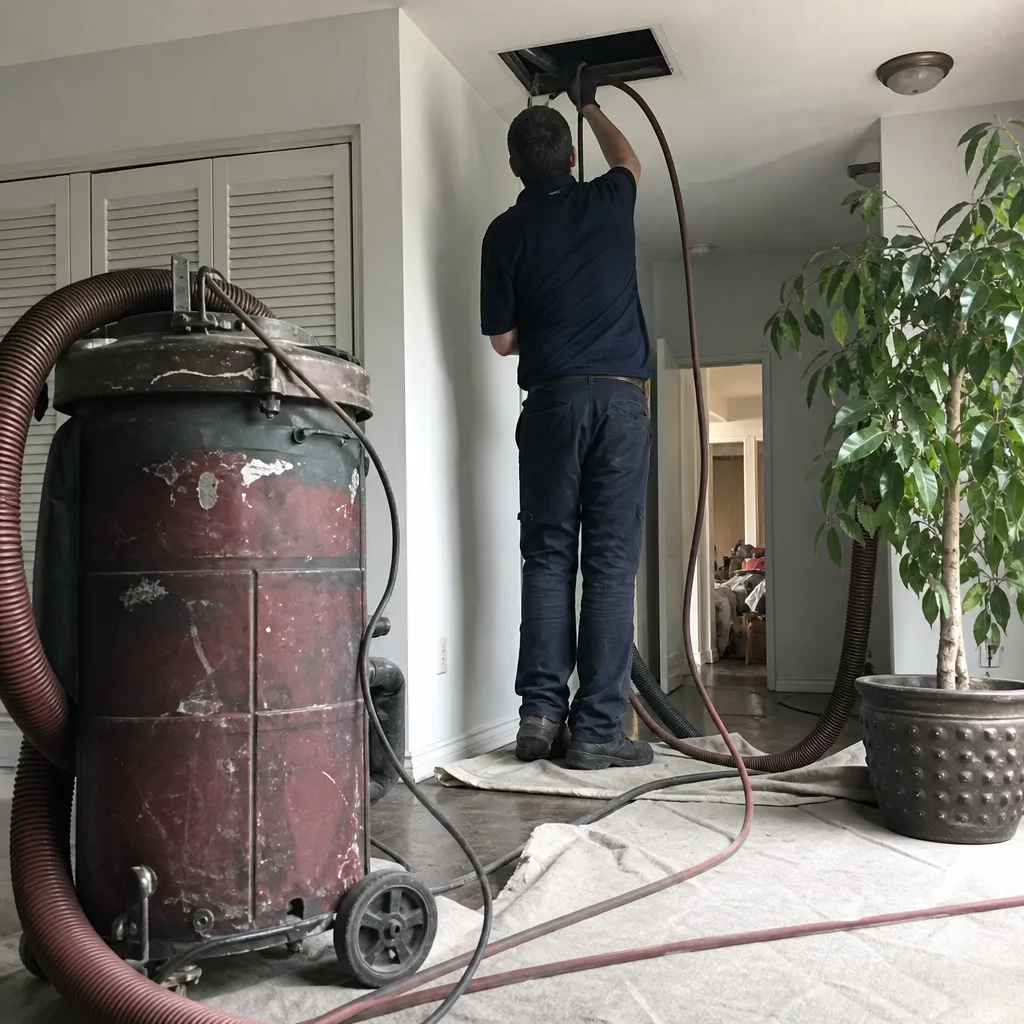 Before
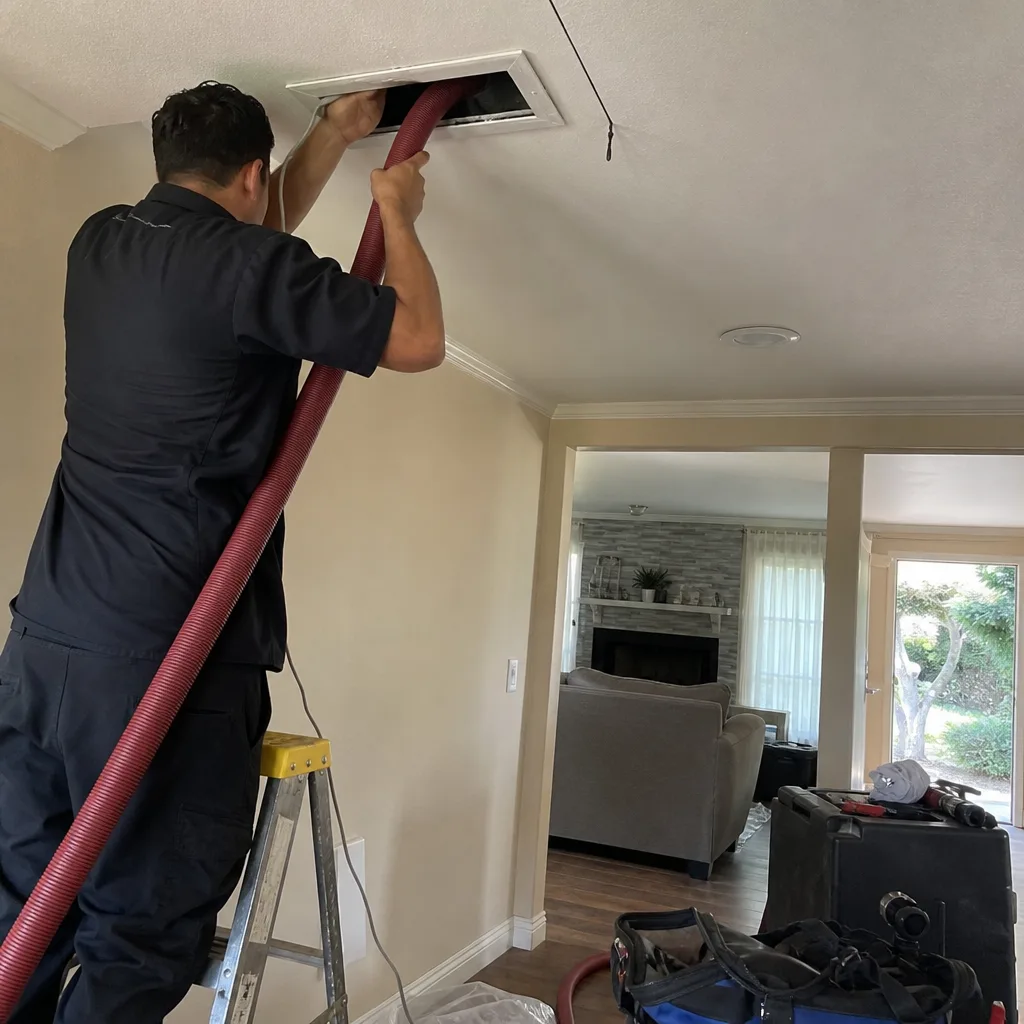 After
After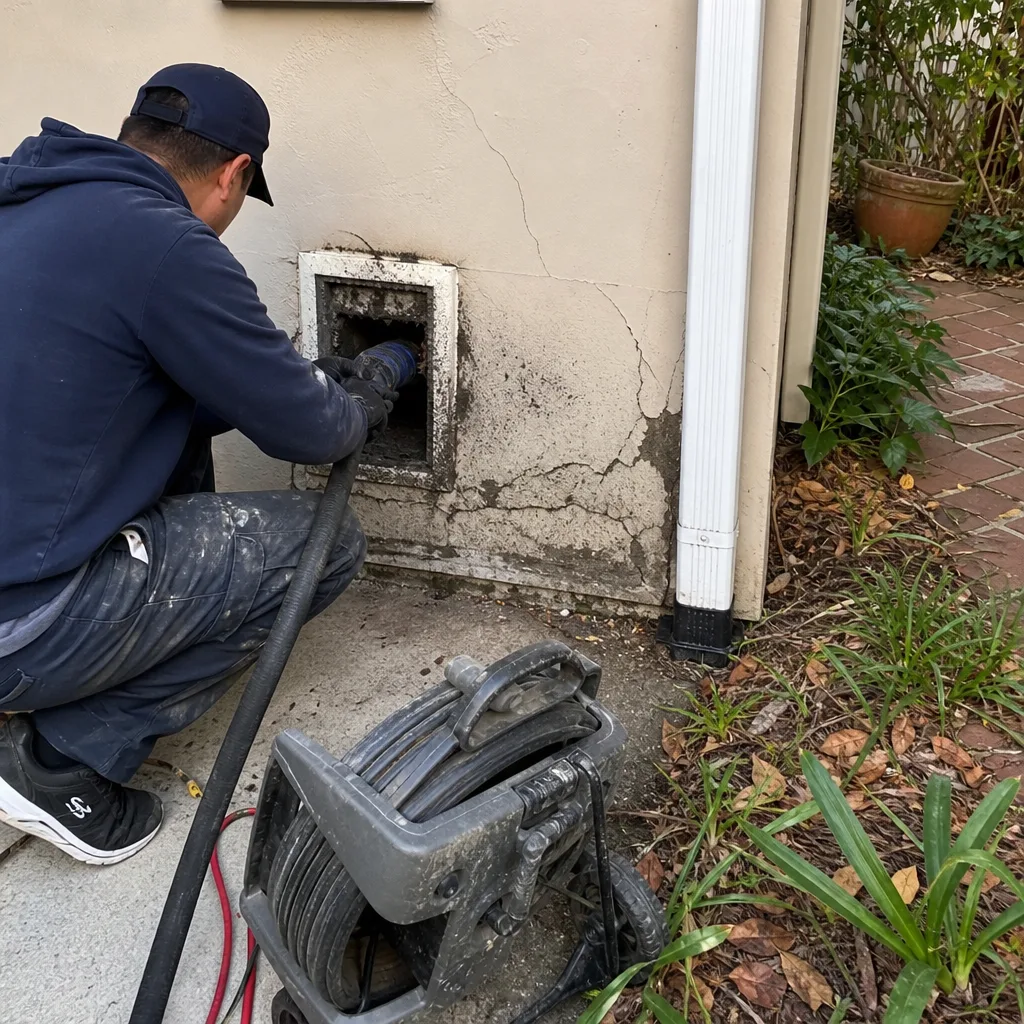 Before
 After
After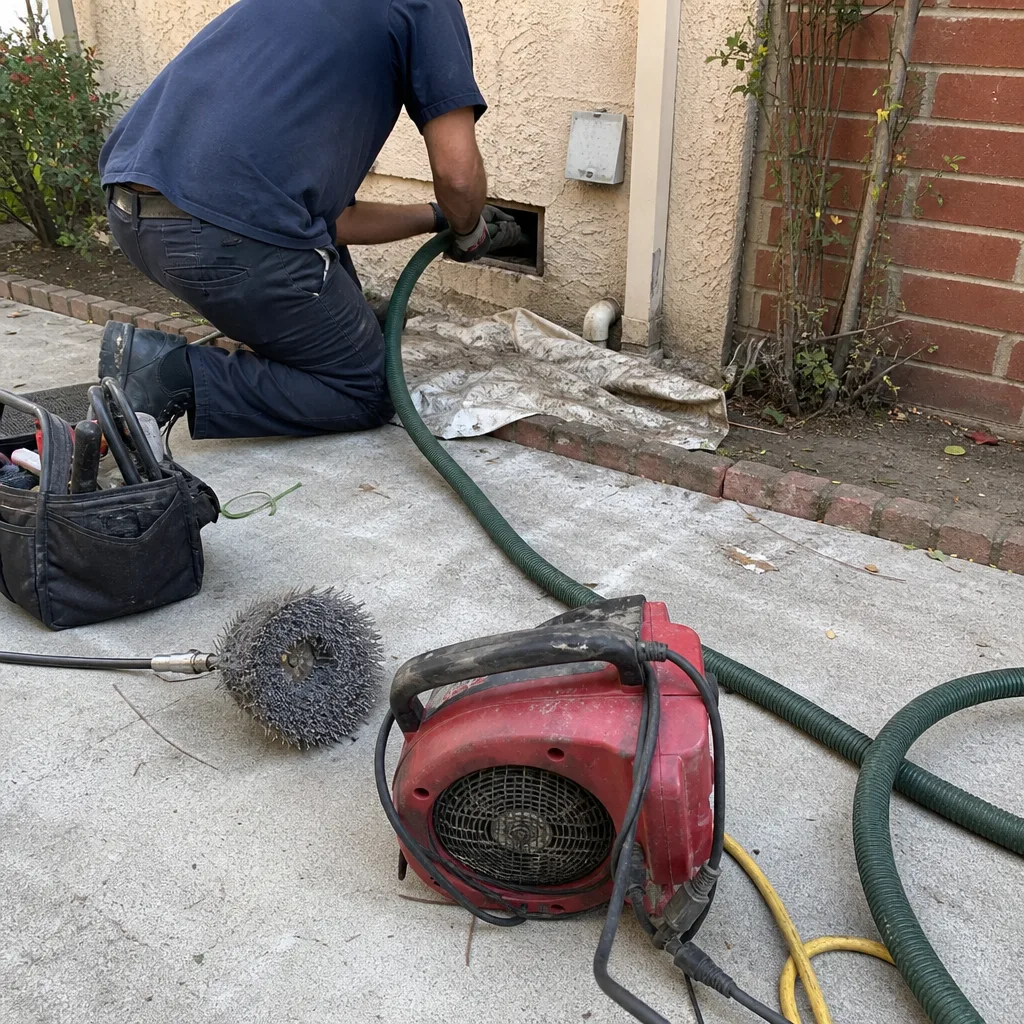 Before
 After
AfterReplacement Cost & What’s Included
In Pasadena, expect to pay between $225 and $520 for most Nikro vent sanitizing repairs, parts included. The range breaks down like this: a simple gasket, seal, or pickup-tube replacement runs $225 to $275. A new pump assembly runs $300 to $410. A heating element or control-board repair runs $380 to $520. You’re paying for the part, the labor to knock loose the years of dried sanitizing solution around the mounting points, and a test cycle to confirm the fog density is right.
| Repair Type | Typical Pasadena Price |
|---|---|
| Gasket, seal, or pickup tube | $225 – $275 |
| Pump assembly replacement | $300 – $410 |
| Heating element or control board | $380 – $520 |
We write the price down before we open the machine. No moving numbers at the door. Every repair is covered by the 365-Day Done Right Promise: if it fails within a year, we come back and make it right at no charge. That includes a free second visit.
DIY or Call Us?
You can safely unplug the machine, empty the tank, and wipe down the exterior. You can inspect the pickup tube for visible cracks and check whether the nozzle is clogged with dried chemical. That’s where we’d stop. Opening the pump housing or touching the heating element on a fogger is electrical work, and the heating element in a thermal fogger runs hot enough to burn flesh. The internal wiring on older Nikro units degrades with heat and age, and a short in the wrong place is a fire hazard, not a weekend project.
If the symptom is electrical, or anything is smoking or smelling burnt, unplug the unit and call us at (626) 469-5477. Roy Castellanos will give you an honest read over the phone about whether the machine is worth repairing or if it’s time to retire it. The duct work doesn’t lie, and neither do we.
FAQs
Most residential Nikro sanitizing modules last 5 to 8 years with regular use before the pump or heating element needs replacement. In Pasadena’s warm, dry climate, we see seal and gasket failures on the earlier side of that range because rubber and plastic compounds dry out faster. Call (626) 469-5477 if your machine is in that window and acting up, and we’ll give you a straight diagnosis.
Some components, like clogged pickup tubes and basic gaskets, can be cleaned or repaired once. Pumps and heating elements generally need full replacement. We’ll tell you which path makes sense for your machine before any money changes hands.
Most swaps take 60 to 90 minutes on site, plus a test cycle to verify fog output and a cleaning of the machine’s exterior before we leave the job site clean. We don’t rush the test cycle, that’s where you find out if the repair actually took.
We keep common Nikro gaskets, seals, pumps, and pickup tubes on our trucks for most residential models. Unusual parts or older-model heating elements may take 2 to 4 business days to source. We also stock parts for Lennox, Trane, and Carrier units when a full system replacement is the smarter call.
Written by Roy Castellanos, Owner, Hollis Air Duct Pasadena at Hollis Air Duct Pasadena, serving Pasadena and nearby areas.